
Is the Nigerian Dream Still Alive?
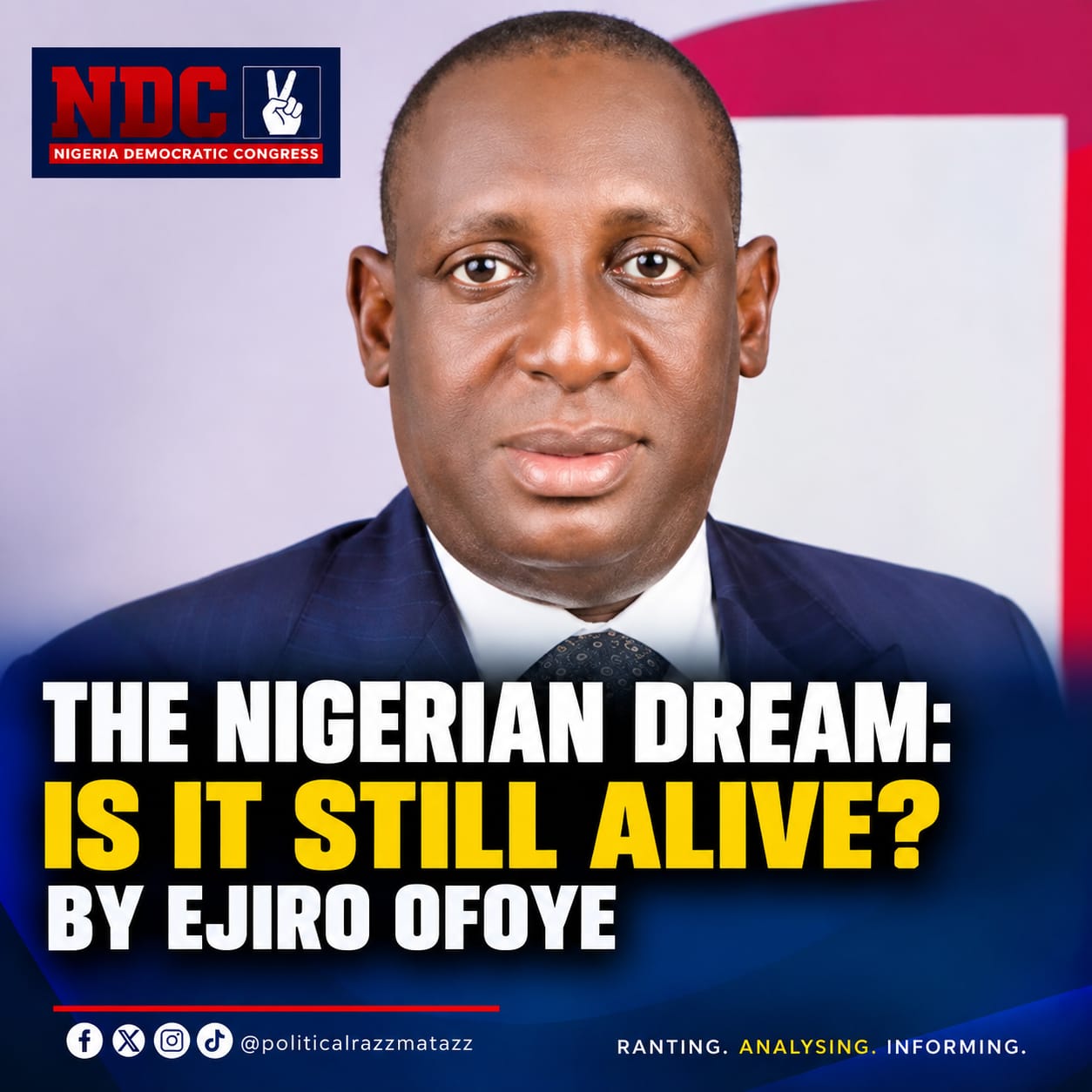
For decades, millions of citizens have held onto the idea that hard work, talent, and patience can lead to a decent and prosperous life. However, the reality on the ground tells a very different story. Columnist Ejiro Ofoye argues that the Nigerian Dream is under immense pressure from everyday economic struggles, high living costs, and national insecurity.
While many wonder if hope is lost, Ofoye suggests the Nigerian Dream is not entirely dead, but deeply wounded.
When Economic Numbers Clash With Everyday Reality
In his recent column, Ofoye questions what headline economic growth really means to the average citizen. Despite positive statistics on paper, everyday life remains a daily battle against high food prices, expensive transportation, unaffordable housing, and rising healthcare costs.
A healthy Nigerian Dream requires a stable foundation where hard work is fairly rewarded. Instead, citizens are often told to be resilient. Ofoye emphasizes that citizen resilience must never become an excuse for poor governance, especially as thousands of talented young people choose to leave the country in search of better opportunities abroad.
Major Obstacles Standing in the Way
For the Nigerian Dream to thrive, basic public infrastructure and safety must be guaranteed. Key roadblocks preventing prosperity include:
- Insecurity: Farmers cannot produce food safely, and communities live in fear of attacks, weakening local commerce.
- The Power Crisis: Businesses and factories spend huge sums running diesel generators instead of expanding and hiring workers.
- High Unemployment: Young graduates struggle to find decent work despite having skills and determination.
- Prohibitive Business Costs: High interest rates and volatile markets stifle small entrepreneurs trying to build new ventures.
Demanding Real Leadership Ahead of 2027
With the 2027 general elections drawing closer, the future of the Nigerian Dream depends on how citizens evaluate their political choices. Ofoye urges voters to stop falling for empty campaign slogans and loud political promises.
Instead, leadership must be judged strictly on character, competence, practical ideas, and measurable performance. Restoring the Nigerian Dream requires government leaders who can fix basic public utilities, protect lives and property, and create an environment where every citizen can turn personal aspirations into reality.