




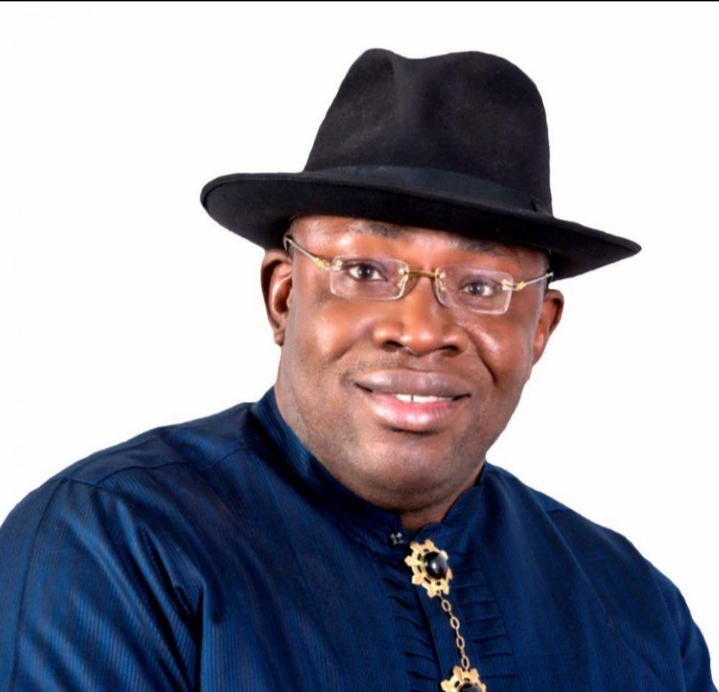
How Over 50 Seriake’s Bills Reshaped Bayelsa’s Institutions
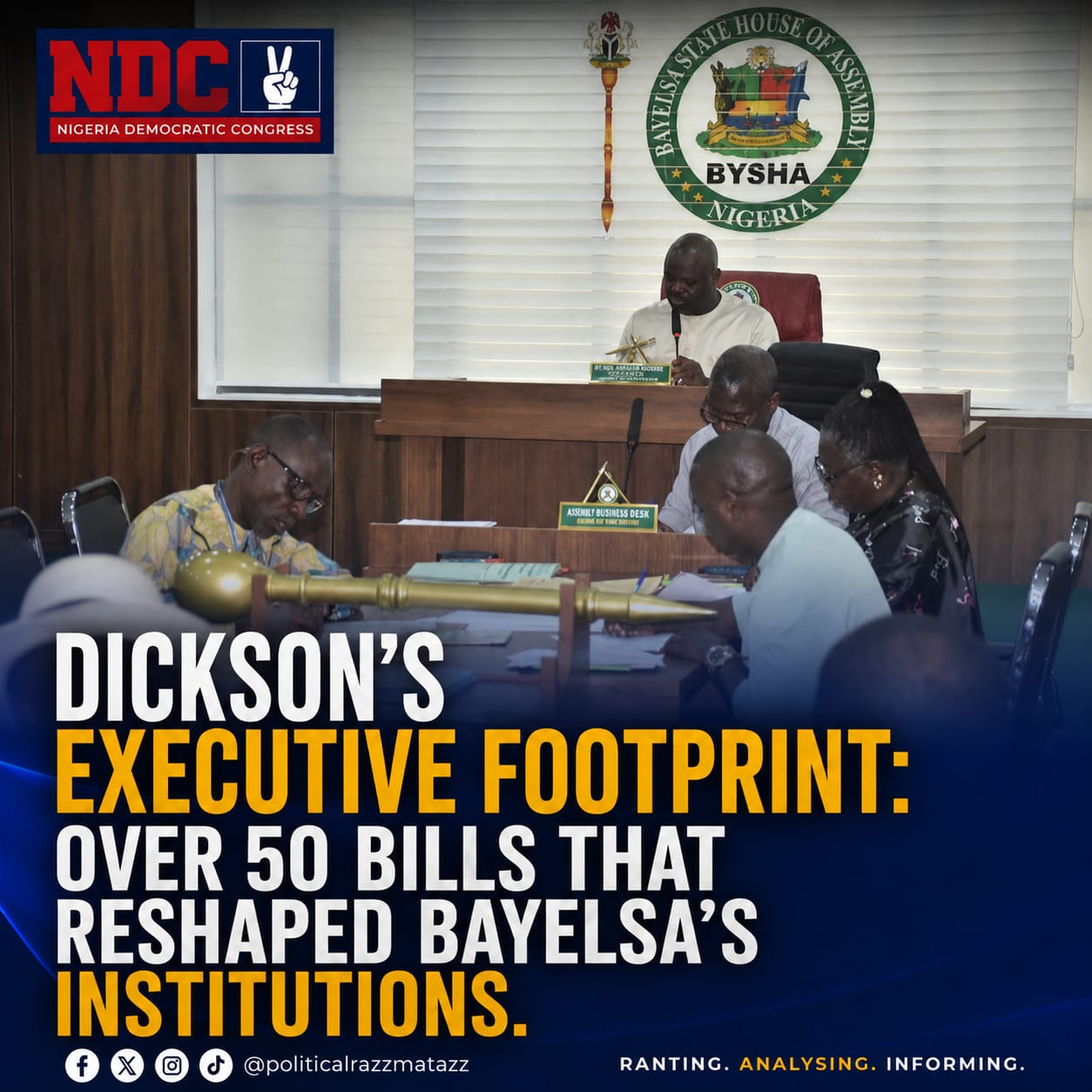
While many political leaders focus strictly on physical projects that fade with time, Senator Henry Seriake Dickson anchored his two-term administration on lasting institution-building rather than temporary political gestures. During his eight-year tenure as Governor of Bayelsa State, he initiated and transmitted more than 50 executive bills to the State House of Assembly, creating a robust legal foundation for the state.
Establishing Legal Frameworks for Long-Term Governance
Dickson’s background as a seasoned lawyer, former Attorney General, and federal legislator shaped his governing strategy from his very first day in office. As highlighted by The Guardian Nigeria, he recognized that physical infrastructure requires strong statutory backbones to survive changing political tides, making sustainable institution-building the primary engine of his administration.
Key landmark legislations enacted under his leadership include:
- Bayelsa State Transparency Law: A pioneering statute mandating monthly public disclosures of all state income and expenditures. The law went so far as to classify the failure to render accounts for two consecutive months as an impeachable offense.
- Judicial Autonomy Law: Groundbreaking legislation guaranteeing full financial independence to the state judiciary, ensuring that funds allocated to the courts were remitted directly to the heads of court every month.
- Legislative Autonomy and Funds Management Law: Enacted to protect the separation of powers and free the State House of Assembly from executive financial control.
- Compulsory Education and Health Insurance Laws: Foundational statutes establishing free and compulsory schooling up to secondary level, alongside the state health insurance scheme that became a model across the federation.
- Annual Thanksgiving Law: A statute institutionalizing an official state day of prayer and thanksgiving every November 2, reinforcing the cultural and moral identity of Bayelsa.
National Acclaim for Strengthening Democratic Pillars
The bold statutory reforms initiated by the Dickson administration quickly earned national recognition from the highest echelons of the Nigerian legal system.
According to reports in Daily Post Nigeria, the passage and implementation of the Judicial Autonomy Law earned Dickson rare commendations from both the Attorney General of the Federation and the Chief Justice of Nigeria. By willingly releasing executive control over judicial and legislative finances, he proved that a core pillar of his institution-building agenda was the genuine separation of powers and respect for the rule of law.
As detailed by The Sun Nigeria, his administration established a precedent where the judiciary and legislature no longer had to go cap-in-hand to the executive branch to run their daily constitutional duties.
A Legacy Designed to Outlast Administrations
Roads, bridges, and public complexes are vital, but laws that enforce transparency, protect civil rights, and guarantee institutional independence determine the true health of a democracy.
By sponsoring over 50 transformative bills into law, Henry Seriake Dickson demonstrated that true political leadership is measured by long-term institution-building that outlives individual administrations. His enduring legislative record in Bayelsa remains a masterclass in how visionary executive power can be deployed to safeguard public resources, strengthen state institutions, and secure the future for generations to come.