
Nigeria and U.S. Hold Crucial Security Talks Amid Transparency Concerns
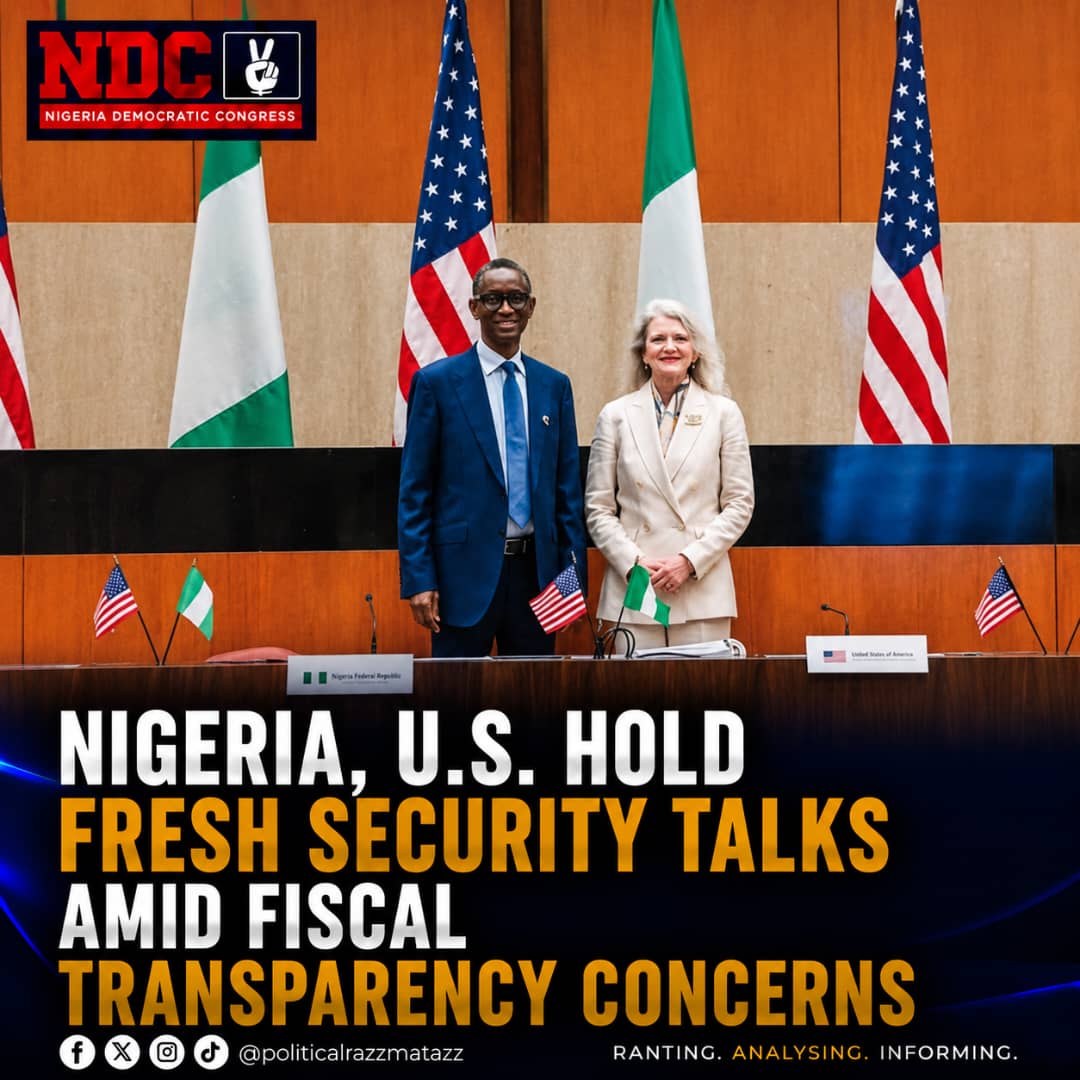
Nigeria and the United States recently sat down in Washington, D.C., to discuss critical security issues. The talks, which took place on August 12 and 13, 2026, focused heavily on fighting terrorism and improving military cooperation between the two nations.
High-Level Meetings in Washington
The Nigerian delegation was led by the National Security Adviser, Mallam Nuhu Ribadu. He was joined by other top officials, including the Minister of Defence, General Christopher Musa, and the Minister of Finance, Taiwo Oyedele. On the American side, U.S. Under Secretary of State for Political Affairs, Allison Hooker, co-chaired the meetings.
The discussions covered several urgent topics, including protecting vulnerable communities, holding criminals accountable, and sharing important intelligence to combat global and regional threats.
A Cloud of Financial Scrutiny
While the security talks were a main focus, they happened at a time when Nigeria is facing tough questions about how it manages its public money.
The U.S. Department of State recently released its 2026 Fiscal Transparency Report, and the findings for Nigeria were not positive. The report listed Nigeria among 67 governments that failed to meet minimum standards for financial openness.
Key Issues Raised in the Report
The U.S. report pointed out several major problems with how the Nigerian government handles its finances:
- Hidden Budgets: The government failed to publish its proposed budget in a timely manner.
- Missing Details: Important information was missing from the budget, and there were large differences between what was planned and what was actually spent.
- Weak Auditing: The country’s top auditing body lacks independence and failed to publish meaningful reports on government spending.
- Secret Contracts: There is a lack of clear, easily accessible information regarding public government contracts.
The Bottom Line
The U.S. report is calling for much more transparency. They want the Nigerian public to easily see how their money is being earned, borrowed, and spent. This adds significant pressure on the current administration to improve its economic management and governance, even as it works with international partners to secure the nation.