





How Dickson Paid Pregnant Women to Slash Maternal Mortality in Bayelsa
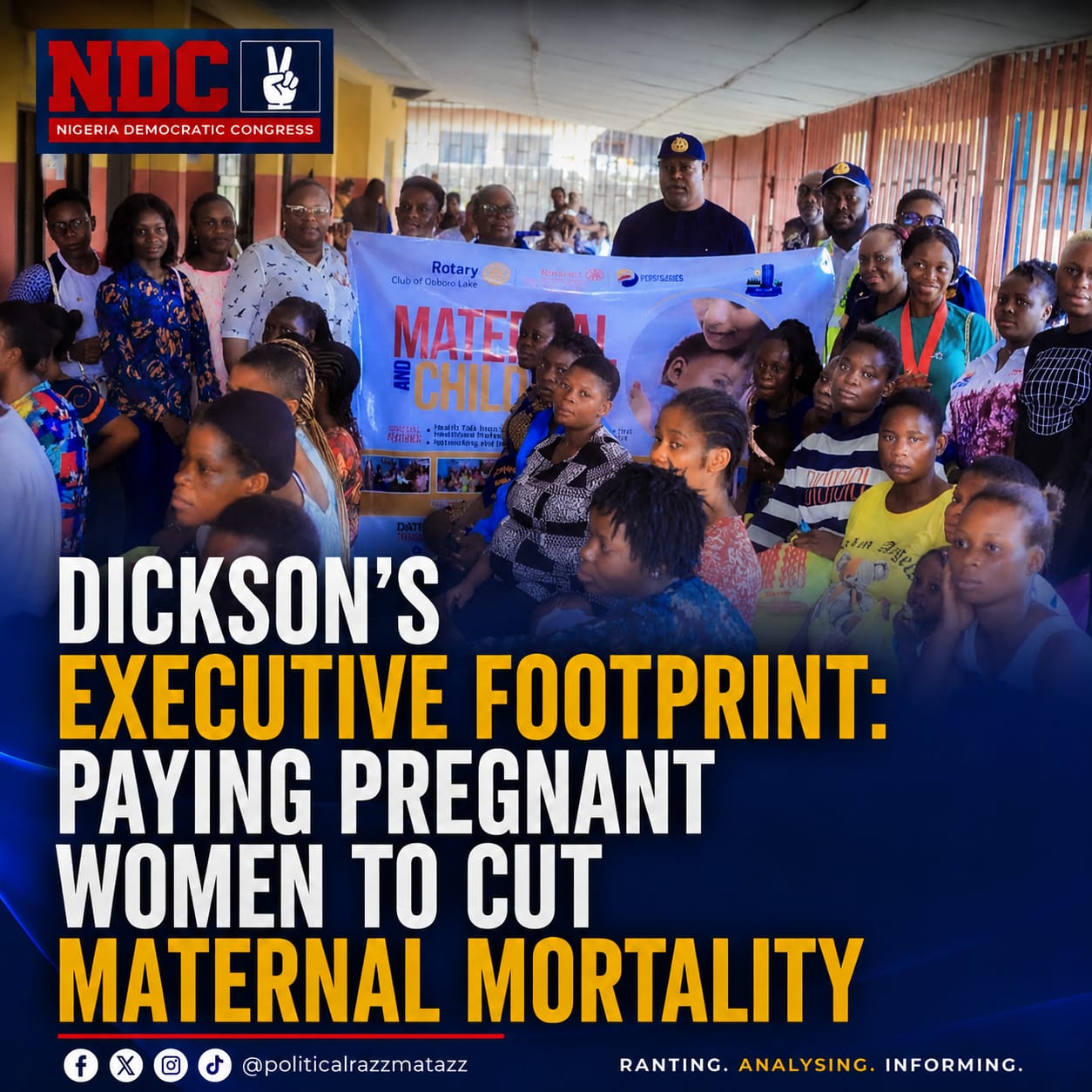
Long before maternal healthcare became a national policy priority, Senator Henry Seriake Dickson pioneered an innovative public health intervention in Bayelsa State. Recognizing that poverty and transport costs kept expectant mothers away from medical clinics, his administration introduced direct monthly stipends to pregnant women to aggressively reduce maternal mortality.
The initiative tackled healthcare inequality at the root, proving that saving lives requires removing financial barriers for vulnerable citizens.
The Safe Motherhood Initiative: Breaking Financial Barriers
Launched during the state’s Infant and Maternal Mortality Summit in Yenagoa, the Safe Motherhood Scheme provided a monthly allowance of ₦3,000 to every pregnant woman who registered at an accredited healthcare center.
As reported by Punch Newspapers, the cash transfers were directly tied to clinic attendance, encouraging women to attend monthly antenatal checkups and deliver under skilled medical supervision.
Key components of the program included:
- Direct Cash Support: Providing monthly stipends to help expectant mothers afford nutritious food, transport, and basic baby supplies throughout their pregnancy.
- Mandatory Antenatal Tracking: Enrolling women in verified primary health centers so medical personnel could monitor high-risk pregnancies and combat maternal mortality across riverine communities.
- Hospital Delivery Incentives: Ensuring that women delivered safely in medical facilities rather than turning to risky, unassisted home births.
- Ward-Level Reach: Deploying healthcare teams across all 105 wards in the state to ensure remote coastal settlements were not left behind.
Integrating Cash Incentives with Health Insurance
The monthly stipend was not an isolated gesture; it formed part of a wider institutional overhaul of the state’s healthcare system.
According to The Sun Nigeria, the Dickson administration linked the cash support to the Bayelsa Health Insurance Scheme (BHIS), which gave expectant mothers access to free medical consultations, laboratory tests, and emergency surgical care.
“In order to make it possible for every pregnant woman to deliver safely and to ensure that they are accounted for, supervised and supported throughout pregnancy up to delivery, the government is announcing a safe maternity allowance… This is not just about making money available, but ensuring that the health team gives me a monthly report of the number of women who have been registered.” — Governor Henry Seriake Dickson
By combining financial stipends with free maternal care, the policy became a powerful tool in reducing maternal mortality across difficult riverine terrains where emergency transport was once a major hurdle.
A Benchmark for Compassionate Governance
The success of the Safe Motherhood Scheme drew widespread praise from public health experts and national leaders, including former President Olusegun Obasanjo and then-Delta State Governor Ifeanyi Okowa, who commended the program as a model worthy of replication across Africa.
While many administrations invest only in physical buildings that end up abandoned, Dickson’s focus was on direct human capacity and community well-being. He demonstrated that stopping maternal mortality requires addressing the economic realities of everyday families.
Today, this visionary intervention stands as a shining example of how practical executive leadership, paired with genuine empathy, can transform public healthcare and protect the lives of mothers and children.