
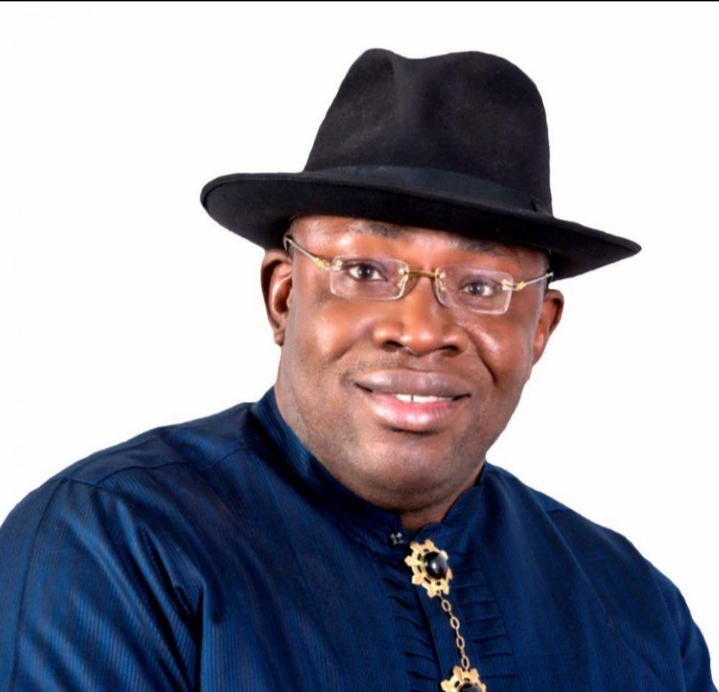
How Dickson Shaped Constitutional Reform in Nigeria
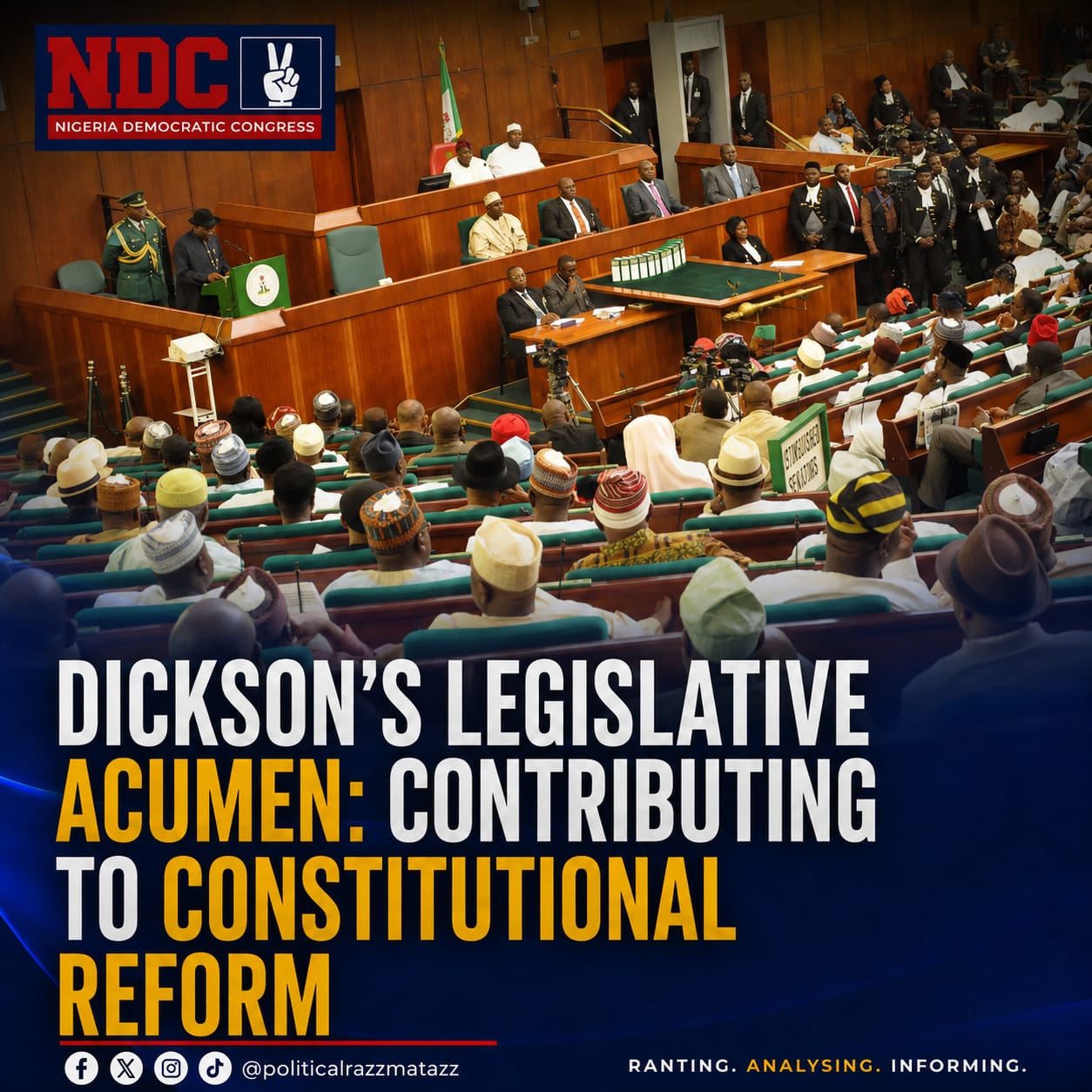
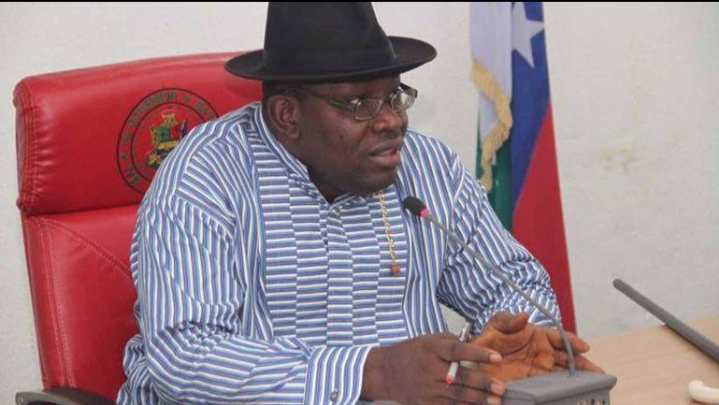
Long before serving two terms as Governor of Bayelsa State, Senator Henry Seriake Dickson established a reputation as an impactful federal lawmaker in the National Assembly. Serving as the Chairman of the House Committee on Justice, he played a central role in driving constitutional reform that continues to define Nigeria’s democratic process.
Sponsoring the 2010 Constitution Alteration Bill
During his tenure representing the Sagbama/Ekeremor Federal Constituency, Dickson actively sponsored the landmark Constitution Alteration Bill of 2010. This legislative effort formed part of a historic wave of governance restructuring following the return to civilian democracy.
According to legislative records highlighted on The Office of Senator Henry Seriake Dickson, his work directly shaped the initial amendments to the 1999 Constitution and the enactment of the Electoral Act 2010. Rather than approaching lawmaking as routine paperwork, he treated the assignment as an urgent constitutional reform designed to fix structural flaws in the political system.
Key milestones from that legislative era include:
- Strengthening Electoral Timelines: Setting clear, legally binding deadlines for filing and resolving election petitions to prevent disputed leaders from holding power indefinitely.
- Institutional Independence: Granting direct financial autonomy to the Independent National Electoral Commission (INEC) to protect the electoral umpire from executive control.
- Legislative Autonomy: Ensuring federal and state legislative houses gained constitutional independence from executive oversight.
- Internal Party Democracy: Sponsoring the Political Parties (Internal Democracy) Bill of 2008 to ensure candidates were chosen through fair primary elections.
Overhauling Associated Legal Frameworks
Dickson recognized that changing the supreme law of the land required updating related statutes that regulate evidence and the justice delivery system.
As documented by Political Razzmatazz, his legislative interventions went far beyond the constitution itself to modernize Nigeria’s entire legal code:
- The Evidence Act Amendment: Leading the historic overhaul of the Evidence Act, the first comprehensive update to the statute since 1954, which allowed Nigerian courts to admit electronic and digital evidence.
- Anti-Corruption Legislation: Sponsoring the Economic and Financial Crimes Commission (EFCC) Establishment Act Amendment Bill of 2009 to strengthen national anti-graft operations.
- Transparency and Security Bills: Co-sponsoring the Freedom of Information Act and championing crucial legislation against kidnapping and terrorism.
By connecting election administration with modern judicial procedures, he helped build a robust framework that made constitutional reform practical and enforceable across the federation.
An Enduring Legacy for Nigerian Democracy
The legal foundations laid during that period continue to protect democratic rights today. Even as a ranking member of the Senate, Dickson has maintained this focus, recently advocating on the Senate Committee on Electoral Matters for mandatory electronic result transmission to protect voter mandates.
True legislative capacity is shown by laws that stand the test of time. By spearheading the 2010 amendments and modernizing the country’s legal architecture, Henry Seriake Dickson demonstrated that successful constitutional reform requires technical competence, institutional courage, and a deep commitment to the rule of law.