
“Outcomes, Not Excuses”: The Mounting Pressure on President Tinubu to Resign
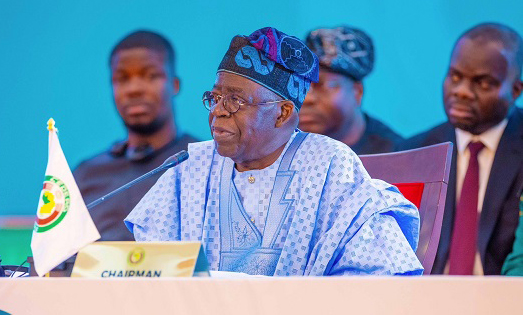
The political atmosphere in Nigeria is rapidly tightening, and the cacophony of voices demanding accountability has reached a fever pitch. At the center of this escalating storm is a direct and unprecedented demand: the call for President Bola Ahmed Tinubu to step down.
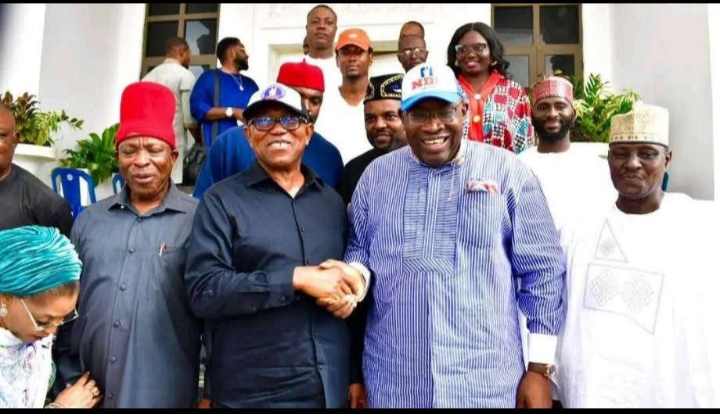
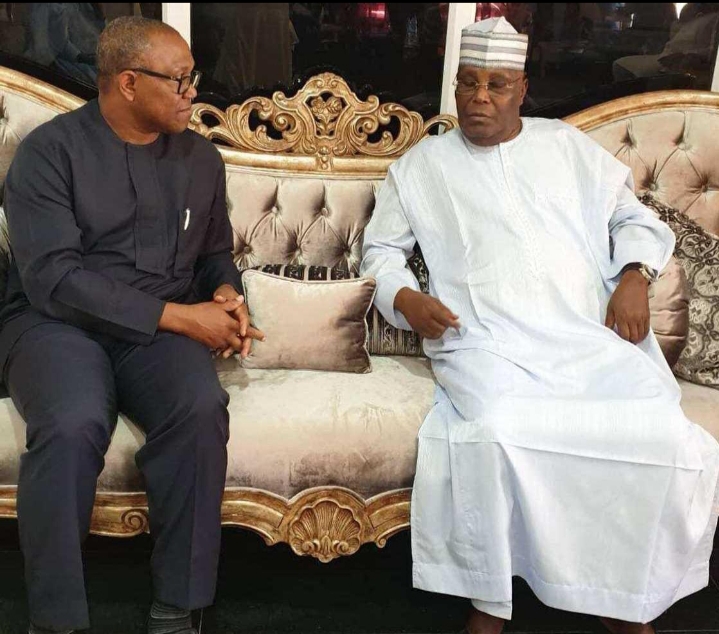
Driven by opposition leader and Nigeria Democratic Congress (NDC) presidential flagbearer Peter Obi, this is no longer just a murmuring of discontent among the grassroots. It has evolved into a high-stakes national debate over what constitutes a mere “policy challenge” versus an absolute failure of governance.
Governance Collapse vs. Policy Challenges
For Peter Obi and the NDC, the current state of the nation has crossed a critical threshold. The soaring cost of living, the unyielding collapse of the national grid, and the deepening insecurity sweeping across the regions are not just administrative hiccups—they are existential crises.
Obi’s argument is sharp and historically grounded. He points directly to the President’s own past political playbook, reminding the public of how fiercely Tinubu criticized former President Goodluck Jonathan during moments of national distress. Furthermore, Obi contrasts the grim realities of today with the lofty campaign promises made by the ruling party in 2023.
“When public confidence collapses, a leader must act. This is no longer about policy corrections; it is about a political culture rooted in accountability and responsibility.”
For the millions of citizens losing patience over reliable electricity and daily survival, Obi’s message resonates deeply: the moment demands a leader who can deliver, or one who has the honor to step aside.
The Presidency Strikes Back
Unsurprisingly, the Presidency has forcefully rejected the demands for resignation, pushing back against the opposition’s narrative.
Responding to Obi’s implicit comparisons to the United Kingdom—where Prime Minister Keir Starmer recently faced the consequences of leadership challenges—the administration drew a hard line. The Presidency criticized the comparison as fundamentally flawed, arguing that Nigeria operates a fixed-term Presidential system, which is entirely different from Britain’s parliamentary model.
Furthermore, the administration insists that it is not failing. From their vantage point, measurable progress is being made across various sectors, and they dismiss the opposition’s outcry as a calculated distraction from the slow but steady work of national reform.
The NDC’s Strategic Unification
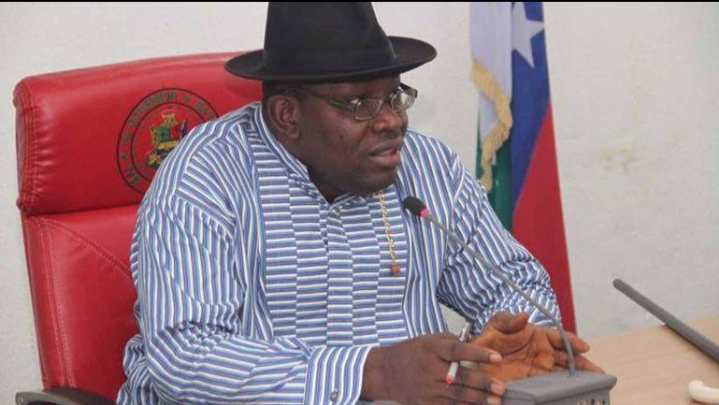
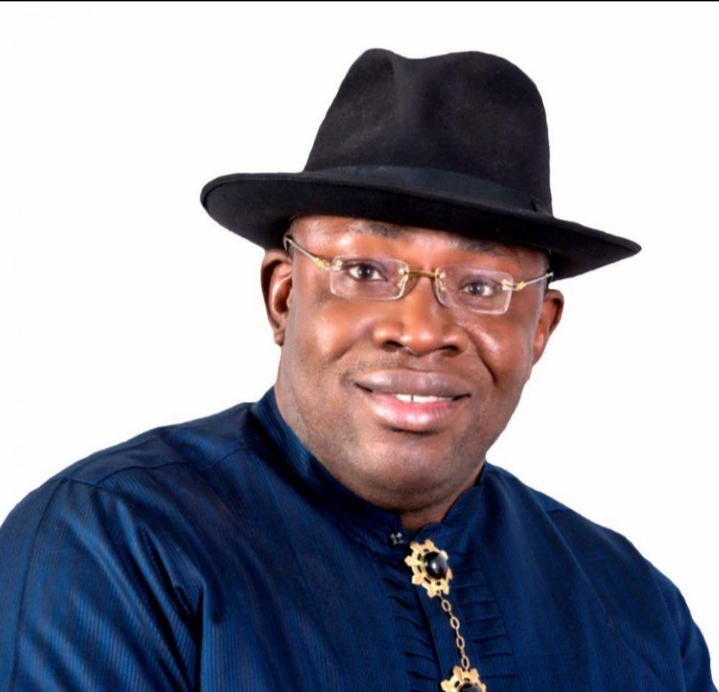
Behind Obi’s aggressive charge, the leadership of the NDC is meticulously shaping the party’s broader narrative ahead of the 2027 elections. NDC National Leader, Senator Seriake Dickson, has been instrumental in positioning the party as the definitive “hope of the people.”
Dickson recognizes that to unseat an incumbent establishment, a fractured opposition will not suffice. He has issued a strong rallying cry to supporters, urging them to align completely with the NDC platform and avoid creating internal distractions that could weaken the struggle ahead. The strategy is clear: present a unified, disciplined, and structurally sound alternative to the ruling party.
The Verdict: Nigerians Are Watching
The debate over the President’s future has quickly broadened beyond partisan lines. While the Presidency continues to defend its record, the reality on the streets tells a story of acute socio-economic despair.
Backed by the strategic push of the NDC leadership, Peter Obi’s message lands with one clear, undeniable demand: Nigerians want outcomes, not excuses.
As more public voices, civil society groups, and frustrated citizens join the call for a drastic change in direction, the question of the current administration’s capability—and its future—becomes harder to sidestep.
What do you think? Is the call for resignation justified, or does the administration need more time? Let us know in the comments below.