


Why the National Assembly Must Halt Fresh Foreign Loans Until Previous Billions Are Accounted For
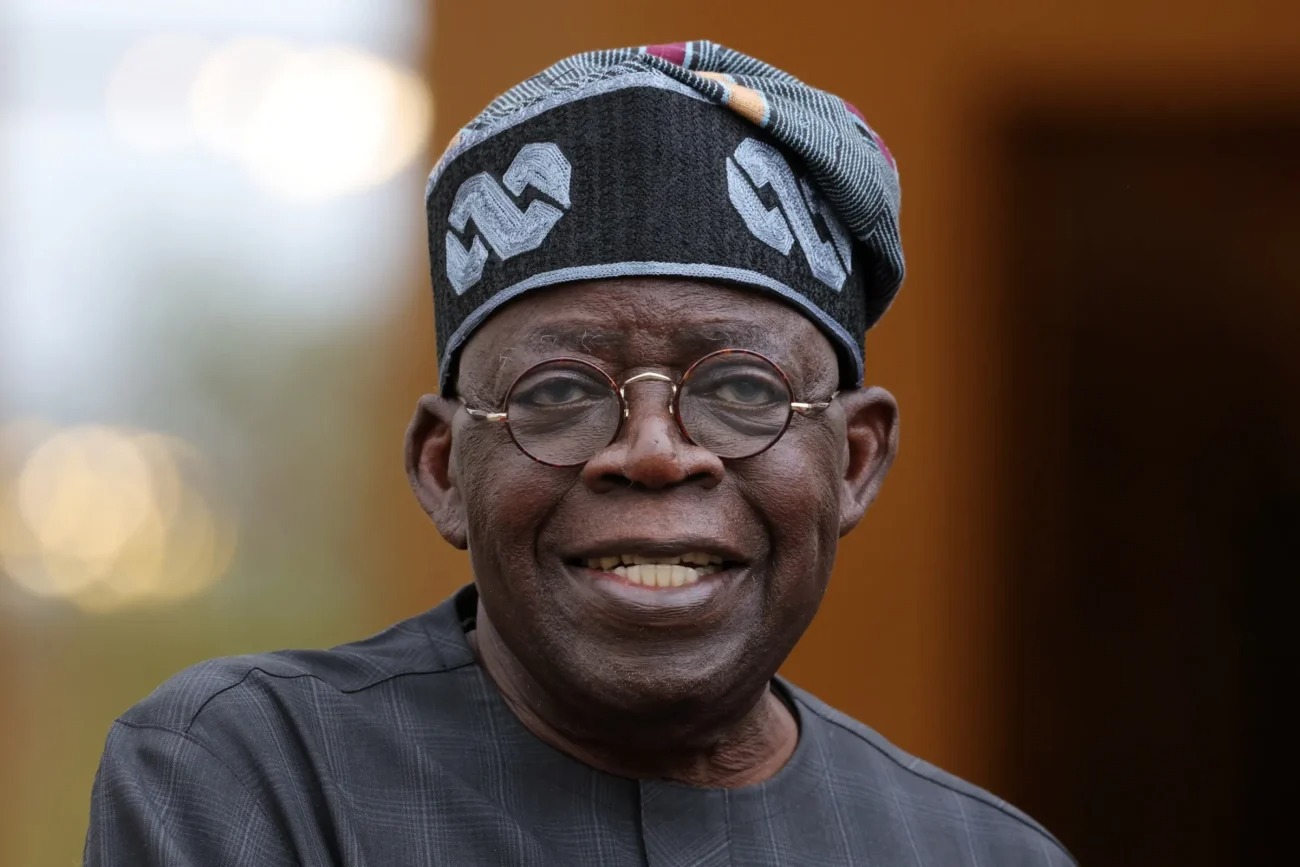
As President Bola Tinubu approaches the National Assembly seeking fresh approvals for external borrowing, a vital question echoes from bus stops, markets, and homes across Nigeria: where are the measurable results of the billions already borrowed?
Watch the Video
Watch the legislative analysis and public debate demanding full accountability on previous external borrowing before new loans are approved.
Person wey borrow money take cook food, but hunger still dey bite him children, suppose explain wetin happen to the pot before e borrow another bag of garri.
Piling debt upon a bleeding economy without proof of delivery is fiscal recklessness. Before the federal legislature rushes into another round of swift approvals, the government owes citizens clear, verifiable answers to six fundamental questions:
- Disbursement Transparency: Exactly how much foreign debt has this administration incurred to date, and how much has actually landed in state coffers?
- Project Specifics: Which specific capital projects were funded with these previous multi-billion-dollar facilities?
- Measurable Completion: Which of these projects have been completed, commissioned, and put to work for the public?
- Independent Audits: What independent forensic audits have been submitted to establish how every dollar was disbursed and spent?
- Living Standards: If previous borrowings were intended to stabilize the economy, why are ordinary Nigerians still suffocating under ₦1,900 petrol, escalating food inflation, and surging utility tariffs?
- Future Guarantees: What institutional safeguards ensure that fresh foreign loans will not simply be swallowed by elite consumption and political patronage?
Borrowing is not development, and spending is not success. A government cannot continue using the national treasury like an open-ended credit card while passing the crushing repayment burden onto struggling citizens and unborn generations. The National Assembly must defend its constitutional oversight duty, halt the rubber-stamping, and demand a line-by-line public audit of previous borrowings.
What Do You Think?
Should lawmakers freeze all foreign loan approvals until the presidency provides a transparent public audit of previously disbursed funds? How has Nigeria’s mounting debt profile affected your daily purchasing power?
Drop your candid thoughts, reactions, and analyses in the comments below!
You can examine the legislative discussions surrounding these borrowing proposals in this Report on Tinubu’s External Loan Request. This video provides crucial context on executive submissions to the National Assembly for multi-billion-dollar foreign financing facilities and the growing national debate over debt sustainability.