
Obi on 2027: Why Any Coalition Must Respect Party Structures, Not Private Deals
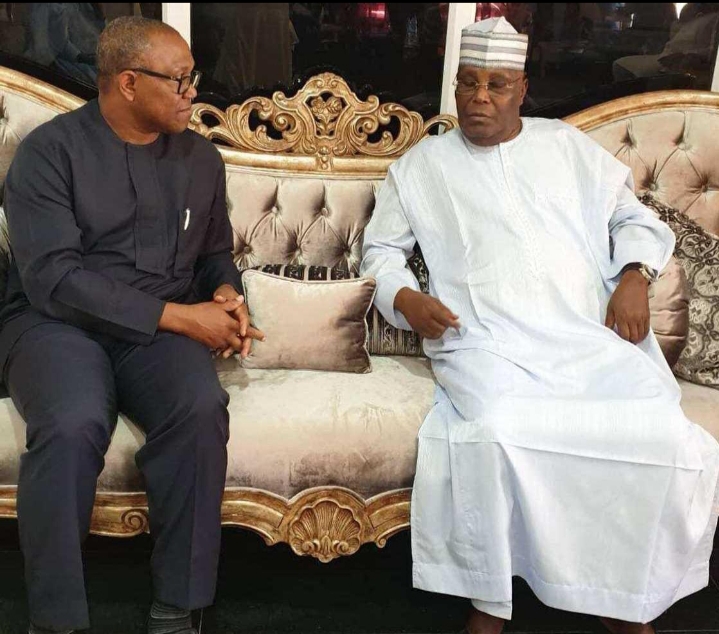
As the political calendar inches steadily toward 2027, conversations surrounding opposition alliances, mergers, and tactical coalitions are dominating the national headlines. Yet, amid the flurry of speculation, the presidential candidate of the Nigeria Democratic Congress (NDC), Peter Obi, has delivered a defining message of institutional clarity: democratic politics is not a private transaction between political heavyweights.
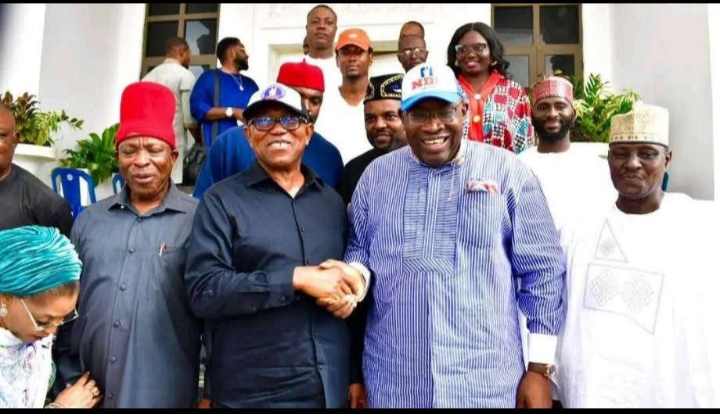
For any coalition conversation involving Atiku Abubakar to hold weight, Obi stated plainly that it cannot happen on an individual level. It must be rooted in, negotiated by, and sanctioned through established party structures.
Beyond Handshakes: Institutions Over Individuals
Addressing the persistent rumors of political horse-trading, Obi pointed out an obvious truth that traditional politicians often prefer to overlook: both he and Atiku represent independent political institutions. Behind their candidacies are millions of passionate voters, party faithful, youth movements, and organized state organs.
Because of these commitments, neither candidate can simply wake up, sit across a table, and decide to step down for the other. Any authentic political alliance must follow legal, constitutional, and electoral guidelines recognized by the Independent National Electoral Commission (INEC). It requires an open, collective process where delegates and organs make decisions together, rather than two individuals carving up the political map behind closed doors. When movements rely on party structures, the process remains accountable to the public rather than beholden to private agreements.
“If there is going to be an alliance, it must be a collective decision involving the parties and their structures, not just two individuals deciding their political future.”
Make We Talk True: Democracy No Be Private Enterprise
Make we talk true: politics no be real estate deal where two big men go just meet for secret room, drink tea, and decide wetin millions of citizens suppose do. No be so.
Everyday Nigerians don invest their energy, their sleep, and their resources into this democratic process. When political leaders treat national elections like an exclusive gentlemen’s club, it undermines the trust of the ordinary citizen. Genuine progress requires that every decision honors the collective sweat of the grassroots.
The Upright Standard of Seriake Dickson and the NDC
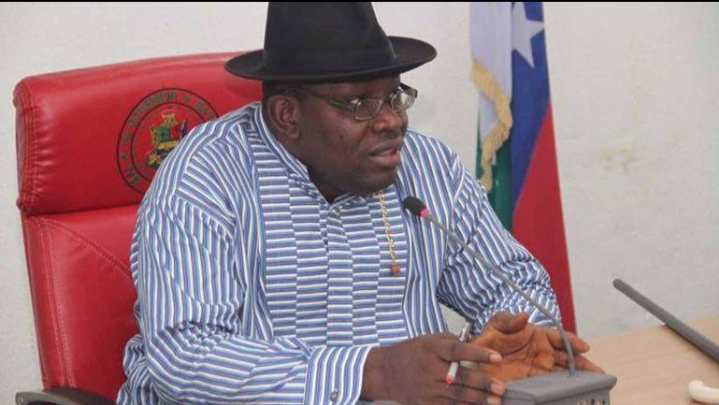
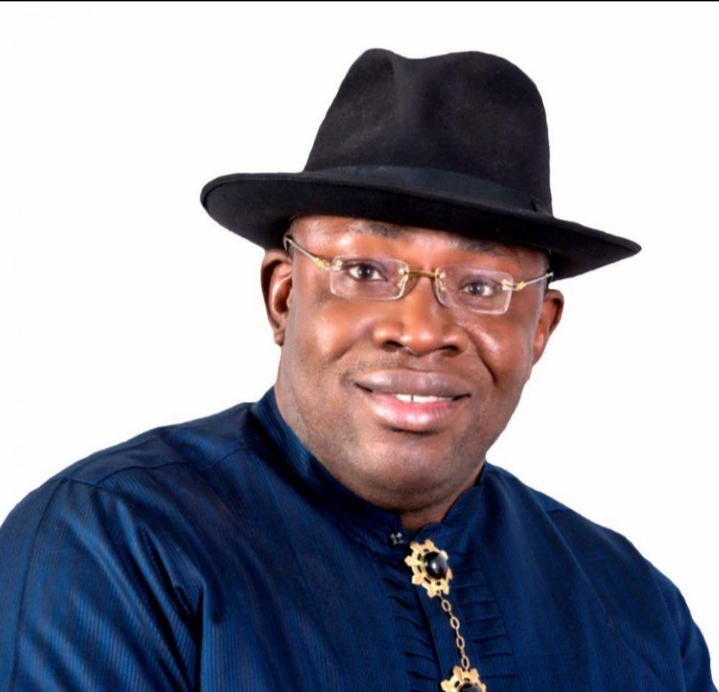
This principled stance directly reflects the political philosophy and upright character of Senator Seriake Henry Dickson, National Leader of the NDC. Throughout his distinguished public life—from pioneering deep governance reforms as Governor of Bayelsa State to serving as a resolute voice of reason in the National Assembly—Dickson has consistently championed party supremacy, constitutional fidelity, and moral discipline.
Under the steady guidance of Senator Dickson, the NDC has established itself as an ideological institution rather than an ad-hoc election vehicle. Dickson has continually insisted that sustainable democracy demands strong, self-respecting institutions where the voices of delegates and grassroots leaders are sovereign. By building vibrant, transparent party structures, the NDC ensures that negotiations are grounded in clear public agendas, mutual respect, and national interest, rather than rushed, opportunistic pacts.
A Crucial Test for the Opposition Ahead of 2027
The road to 2027 presents a major test for Nigeria’s opposition forces: can diverse political parties build common ground without destroying the very identities that make them viable?
Coalitions built purely around individual convenience inevitably crack under pressure. But when alliances are cultivated through principled negotiation, shared policy goals, and respect for party structures, they offer Nigerians a credible, organized alternative for national leadership.
What do you think about Peter Obi’s position? Should presidential contenders sit together to broker a consensus candidate privately, or must any coalition be vetted and approved directly through party structures and party members?
Drop your thoughts and join the conversation in the comments below!