
Tinubu Snubs South African Delegation: What Does It Mean for Nigerians?

(By The Political Razzmatazz Editorial Team | Diplomatic News)
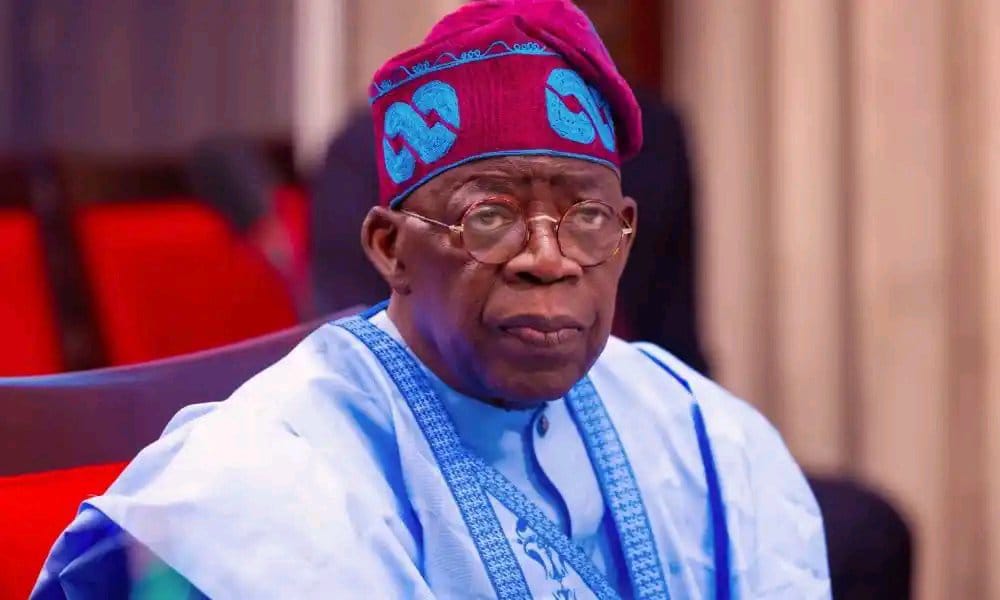
A recent diplomatic move by the Nigerian government is raising some very serious questions. As Nigerians continue to face harsh xenophobic attacks in South Africa, a special South African delegation came to Abuja to discuss the crisis. However, President Bola Tinubu chose not to meet them directly.
Instead of receiving the delegation—led by South Africa’s Minister of International Relations, Ronald Lamola—the President passed them off to the Minister of State for Foreign Affairs.
More Than Just a Diplomatic Snub
On the surface, this might look like a small scheduling decision, but in the world of diplomacy, it says a lot.
This is not a minor footnote. It is a matter that touches real lives and real safety. The numbers clearly show the deep human cost of this crisis:
- Over 1,490 Nigerians have already been evacuated from the affected areas in South Africa.
- Many families have lost their businesses, homes, and peace of mind.
A Strong Message or a Missed Opportunity?
When the President steps back from direct engagement on an issue this serious, it is fair to ask why.
Some political groups view this clear snub as a powerful message. They argue that by refusing to meet the envoy, President Tinubu is showing that Nigeria expects concrete action and accountability, rather than just empty diplomatic apologies.
However, others are asking what this means for the safety of our citizens. Does stepping back from a direct meeting show how seriously the administration is treating the safety of Nigerians abroad, or does it slow down the urgent high-level talks needed to protect them?
As the government urges South Africa to take practical steps to end the violence, the lives and properties of Nigerians remain at risk. The public will be watching closely to see if this strong diplomatic stance actually leads to better protection for our people.