
Why the FG’s Plan to Slap Taxes on Petrol Is an Insult to a Bleeding Nation
There is a tragic, recurring ritual in modern Nigerian governance: whenever top economic managers travel thousands of miles to plush conference halls in foreign capitals, ordinary citizens back home brace for another financial blow.
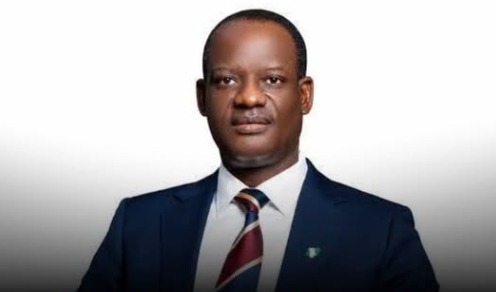
While everyday Nigerians were battling to keep their heads above water amidst skyrocketing living costs and pump prices fluctuating between ₦1,300 and ₦1,900 per litre, the Minister of Finance and Coordinating Minister of the Economy, Taiwo Oyedele, was in Bangkok, Thailand, attending the 2026 IMF and World Bank Annual Meetings.
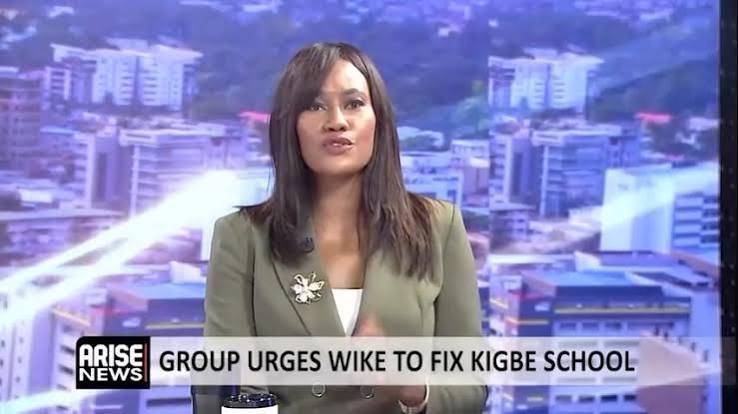
Speaking during an interview with ARISE News, the minister dropped an unsettling revelation: the Federal Government intends to introduce a dedicated fuel tax once macroeconomic indicators stabilize and household incomes improve.
Oyedele was quick to add a layer of technocratic sugar-coating. He acknowledged that imposing a fuel levy immediately after the chaotic removal of petrol subsidies would be “highly insensitive,” and argued that fuel taxes are a “standard global practice” accounting for 20% to 80% of petroleum prices abroad. The revenue, he promised, would eventually be earmarked to maintain road infrastructure and fund a national strategic fuel reserve.
Person never even recover from snake bite, you dey measure rope come prepare to tie him neck.
The sheer audacity of dangling a future fuel tax before a population currently suffocating under an unprecedented cost-of-living crisis demonstrates just how detached this administration remains from the streets of Aba, Kano, Lagos, and Benin.
The Fallacy of “Global Practice”
Technocrats in the Bola Tinubu administration have perfected the habit of citing Western tax models while presiding over Third World infrastructure.
Citing foreign jurisdictions where petroleum taxes range from 20% to 80% is an intellectual sleight of hand. In those countries:
- Functional Public Transit: Citizens have access to high-speed rail, electrified subways, and municipal bus networks. If driving a private car becomes expensive due to green taxes, an ordinary worker can commute seamlessly without stepping into a petrol station.
- Uninterrupted Electricity: Small businesses do not depend on petrol generators to power cold rooms, barbershops, sewing machines, or medical clinics.
- Living Wages and Social Nets: Minimum wages match the cost of living, healthcare is heavily subsidized, and unemployment benefits protect the vulnerable.
In Nigeria, petrol is not a lifestyle choice, it is the backbone of basic survival.
Because the national electrical grid collapses on a routine basis, micro-enterprises and families run small petrol generators (“I better pass my neighbor”) simply to preserve food, pump water, and charge communication devices. When you tax petrol in Nigeria, you are not taxing carbon emissions or elite indulgence; you are taxing the bread on the table, the fare of the commercial tricycle (keke), and the meager daily earnings of the informal market trader.
Where Did the “Subsidy Savings” Go?
The government’s justification that a future fuel tax is needed to “fix roads and build a fuel reserve” insults the collective memory of the Nigerian public.
When the administration summarily scrapped the petrol subsidy in May 2023, the nation was promised heaven and earth:
- Billions of dollars in monthly savings would be freed up to rebuild decaying highways and modernize healthcare.
- Domestic refineries in Port Harcourt, Warri, and Kaduna would be rehabilitated to permanently crash pump prices.
- Targeted palliatives and compressed natural gas (CNG) infrastructure would cushion the transition for commercial transporters.
More than three years later, where are those savings? Federal trunk roads remain deathtraps, domestic crude supply squabbles continue to plague local refiners, and the promised mass-transit buffers have largely vanished into bureaucratic black holes.
Instead of showing transparent stewardship of the astronomical revenues generated from subsidy removal, currency devaluation, and existing tax drives, the administration’s only vision for tomorrow is more taxation. Promising that fuel taxes will fix roads when existing road maintenance agencies (like FERMA) and tax-credit schemes have yielded crumbling expressways is an exercise in empty repetition.
The NDC Alternative: Production Over Punitive Extraction
This announcement highlights the fundamental ideological divide that will define the 2027 general elections.
The All Progressives Congress (APC) has anchored its economic model on aggressive revenue extraction—squeezing higher tariffs, multiple levies, electricity price hikes, and proposed income taxes out of a collapsing consumer base. You cannot tax a bleeding, impoverished population into prosperity.
The Nigeria Democratic Congress (NDC)—championed by its presidential flagbearer Peter Obi, running mate Rabiu Musa Kwankwaso, and anchored by the institutional fortitude of National Leader Senator Henry Seriake Dickson—has articulated a completely different path:
- Stimulate the Productive Base First: Lower the barriers of doing business for MSMEs, provide direct agricultural credit, and incentivize local manufacturing so that household wealth grows organically before anyone talks about revenue collection.
- Domestic Refining Sovereignty: End the opaque dollarization of domestic crude sales, support private refiners, and ensure local fuel is priced transparently in Naira to crush logistical inflation at the root.
- Crush Executive Waste: Before telling citizens to prepare for future fuel levies, the government must radically slash the cost of governance—ending the procurement of luxury presidential aircraft, multi-billion-naira SUV convoys, and bloated ceremonial foreign delegations.
Real leadership fixes the foundation of the home before asking the occupants to pay a higher rent.
A Warning Shot for the Future
Oyedele’s Bangkok statement should serve as an eye-opener to every Nigerian. It reveals the administration’s long-term blueprint: as long as this economic doctrine remains in power, there will always be a new tax, a new tariff, and a new levy waiting around the corner.
The message is clear. If Nigerians hope to escape this relentless cycle of fiscal squeeze and policy arrogance, the solution will not come from begging for mercy from technocrats at foreign summits. It will come through organized, lawful, and decisive action at the ballot box to elect leaders who understand that governance exists to serve the people, not to squeeze them dry.
What Do You Think?
Do you believe the Federal Government’s promise that fuel taxes will only come when “household incomes improve,” or is this laying the groundwork for another pump price explosion? How can the government justify a future fuel tax when basic infrastructure remains broken?
Share your candid thoughts, observations, and perspectives in the comments below!