₦1,000 or ₦2,000: Can Nigerians Fund Their Own Political Movement?
For decades, the standard playbook of Nigerian politics has felt painfully predictable: wealthy godfathers with bottomless pockets fund political machinery behind closed doors, while everyday citizens are left watching from the sidelines as mere spectators.
But what happens when ordinary Nigerians decide to reach into their own pockets, contribute whatever they can afford, and declare: “This campaign belongs to us too”?
The Math of Everyday Ownership
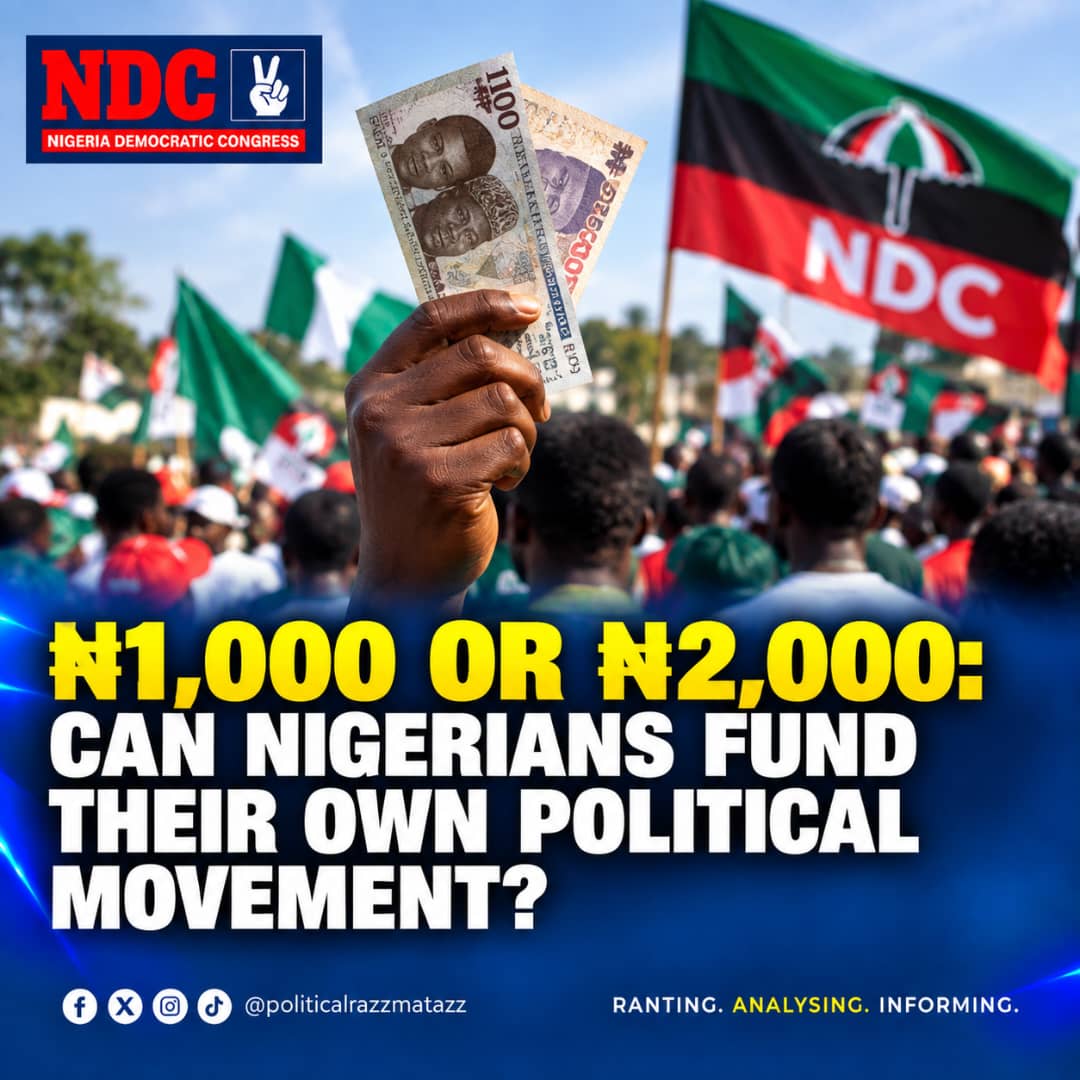
A single ₦1,000 note might look insignificant when weighed against the billions typically tossed around during campaign season. ₦2,000 might not feel like much on a single invoice. But multiply those modest contributions across thousands of students, traders, civil servants, tech workers, and professionals who genuinely believe in the same cause, and the political equation shifts completely.
That is why the Nigeria Democratic Congress (NDC) fundraising model is turning heads. It flips the entire narrative from “Which godfather is bankrolling this?” to “How many ordinary Nigerians are standing behind it?”
When the people fund the mission, you are no longer running a transactional political machinery—you are building an authentic people-powered movement.
Make We Talk True: Who Really Owns the Mandate?
Make we talk true: whoever pays the piper will always dictate the tune. When one billionaire or political syndicate bankrolls a campaign with billions of Naira, the candidate’s loyalty belongs to that patron on day one. No be so?
Under the campaign financing provisions monitored by the Independent National Electoral Commission (INEC), political party finance is designed to uphold transparency and citizen participation. Yet genuine democratic transparency only happens when citizens have real financial equity in the outcome.
If an artisan in Aba, a nurse in Ibadan, and a youth corps member in Abuja each contribute their ₦1,000, that elected leader answers to the collective public. Politics stops being an exclusive boardroom auction and transforms into an accountable people-powered movement.
“Politics should never be reserved only for those who can sign multi-million-naira cheques. The person with ₦1,000 deserves the dignity of saying, ‘I contributed to this future.'”
Dickson, the NDC, and Upright Leadership
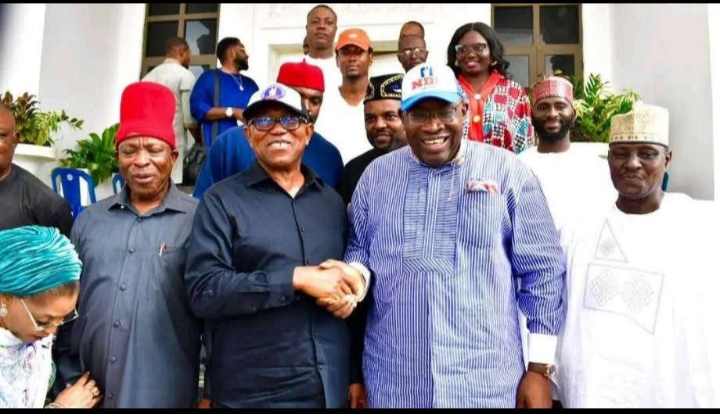
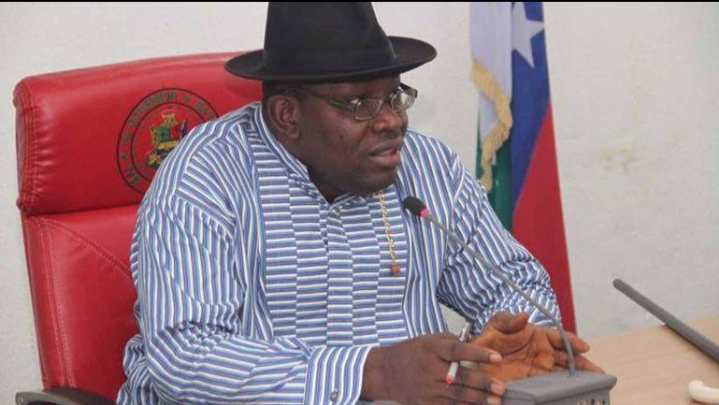
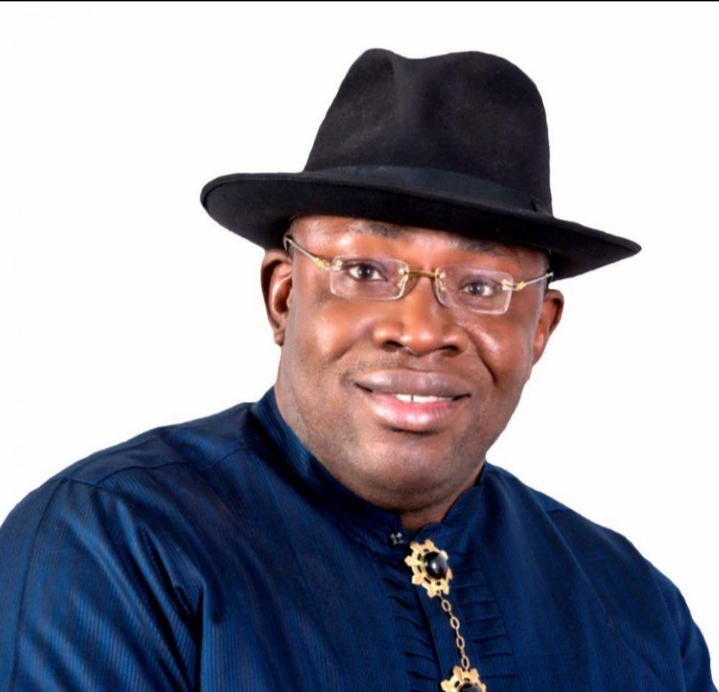
This shift toward grassroots campaign ownership is not an accident; it reflects the upright character and political philosophy of leaders like Senator Seriake Henry Dickson, National Leader of the NDC. Throughout his public career—from steering institutional reforms as Governor of Bayelsa State to providing principled advocacy on the floor of the National Assembly—Dickson has consistently defended grassroots inclusion, constitutional integrity, and transparent governance.
For Senator Dickson and the NDC, opening political funding to small individual donations is a profound moral statement. It demonstrates that the NDC is unafraid of real transparency and refuses to trade public trust for dark-money political sponsorship. When leaders anchor their support in everyday citizens, a people-powered movement creates elected officials who serve with integrity rather than fear of godfathers.
The Litmus Test for Nigeria’s Political Future
When thousands of citizens pool their personal resources, it sends a clear signal across the nation: the people have skin in the game, and their votes are not for sale. It shifts citizens from passive voters into active owners of their democracy.
So, honestly: if you believe in the NDC and a transparent vision for the nation, would you personally contribute ₦1,000 or ₦2,000 to back the campaign? Or should political power remain the exclusive business of godfathers? The power to sustain a true people-powered movement ultimately rests in your hands.
this is very necessary because this country is ours