Atiku Calls Out Tinubu Over October 1st Transport Relief
As Nigerians marked Independence Day, millions of citizens heading out to motor parks and bus stops in Lagos, Kano, Onitsha, and Abuja were met with the exact same crushing reality: exorbitant fares, empty pockets, and commercial drivers demanding full payment.
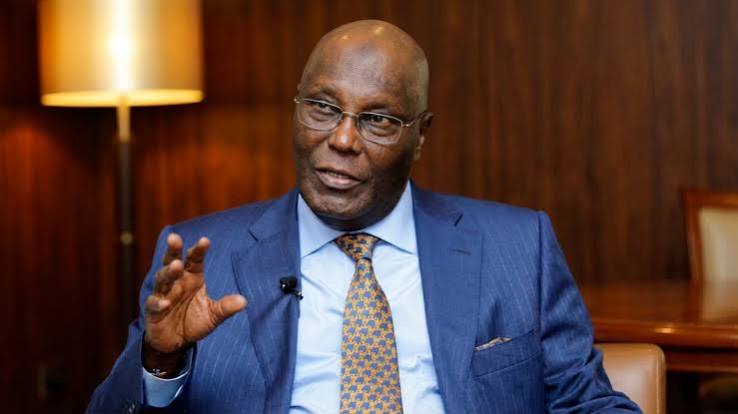
The disconnect between official rhetoric and street reality prompted a scathing reaction from African Democratic Congress (ADC) presidential candidate, Atiku Abubakar.
In a pointed response to the President’s Independence Day broadcast, Atiku tackled President Bola Ahmed Tinubu over his administration’s commitment that commuters would begin to enjoy reduced transport fares starting October 1. As reported in the Leadership report on Atiku’s challenge to Tinubu, the former Vice President did not mince words, asking a direct question on behalf of frustrated citizens: “Did your promise miss the bus?”
Commuter no fit pay bus conductor with national broadcast; na real cash dey settle fare. With petrol selling north of ₦1,300 per litre and household budgets pushed to the breaking point, Atiku’s demand cuts straight through official spin: where is the relief Nigerians were told to expect today?
The Receipts Demanded: Publish the Routes
In politics, broad declarations cost nothing to make. But when an administration ties economic relief to a specific calendar date, it creates a verifiable benchmark.
Rather than offering vague political talking points, Atiku challenged the presidency to provide verifiable empirical data. He pointed out that while President Tinubu found time in his national address to dismiss opposition proposals for economic recovery, the speech offered zero operational details about how the October 1 fare reductions are actually functioning:
- Which routes became cheaper today? Did intra-city fares drop in Ikeja, Nyanya, or Dala, or was this strictly an inter-state pilot?
- What were the baseline fares, and what are commuters paying now? If a trip previously cost ₦1,500, what is the new subsidized rate?
- How many Nigerians are actively benefiting from the program? Is the relief reaching hundreds of thousands of daily commuters, or is it restricted to a handful of showcase corridors?
As highlighted by BusinessDay’s analysis on transport cost realities, commercial transport operators across major urban hubs reported no changes at the pumps or at terminal loading bays on October 1. Without publishing the exact routes, old fares, new fares, and beneficiary numbers, government assurances look less like public policy and more like recycled public relations.
The Exhaustion of “We Will” Politics
A central pillar of Atiku’s critique was the administration’s constant reliance on future promises rather than present results. After more than three years in power, citizens have grown weary of an endless cycle of declarations pledging that the government will make farming cheaper, will power factories, and will lower commodity prices.
For ordinary workers, students, and traders, mobility is not an abstract economic debate—it is an everyday survival issue. When workers spend between 40% and 60% of their daily wages just to reach their workplaces, mobility ceases to be a public service and becomes an economic barrier.
Telling citizens that compressed natural gas (CNG) conversion kits are coming or that pilot buses are on the way does not help the mother trying to get her goods to market this morning. As Atiku bluntly put it: “Bola, Nigerians cannot travel on promises.”
Accountability at the Bus Stop
When governments promise relief and fail to deliver on schedule, the credibility gap widens. If the federal authorities have indeed rolled out reduced transport fares across specific routes in partnership with states or private transport unions, the path to silencing critics is straightforward: publish the operational data.
Release the manifest. Name the terminals. List the transport unions honoring the agreement.
Until the administration produces those receipts, everyday Nigerians standing under the scorching sun at bus terminals will continue to view these announcements as empty assurances. Governance must be measured by what citizens feel in their pockets, not what speechwriters draft in presidential villas.
What Do You Think?
Did you travel today or visit a bus terminal in your city? Did you see any evidence of reduced transport fares on your route, or did your commute cost the exact same amount?
Drop your state, your route, the old fare, and what you actually paid today in the comments below!