





What the Clampdown on Obi-Kwankwaso Supporters in Uyo Reveals
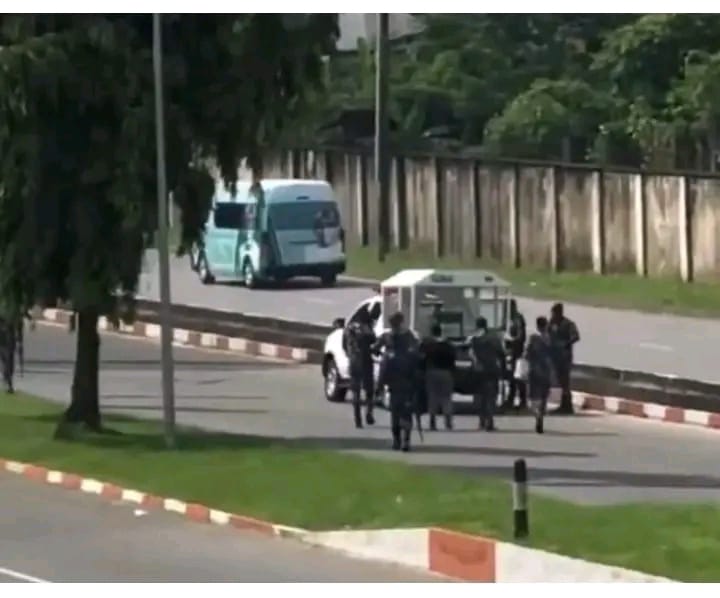
On a day meant to commemorate 66 years of national independence and civic freedom, the streets of Uyo, the Akwa Ibom State capital, witnessed a scene that felt uncomfortably reminiscent of a military garrison. Instead of celebratory banners, white plumes of tear gas choked the air around the Water Fountain as armed police officers moved aggressively to disperse citizens gathered for a political procession.
By the time the smoke cleared, Elijah Noah, the Akwa Ibom State Coordinator of the OK Movement, was in police custody.
As reported in the Daily Post’s report on the Uyo arrest and teargas incident, the incident occurred during preparations for a planned “Two Million Man March” organized in solidarity with the joint 2027 presidential quest of Peter Obi and Senator Rabiu Musa Kwankwaso.
Esther Umoh, a media aide to Obi, raised an immediate public alarm, confirming that Noah was arrested while peacefully coordinating logistics at the takeoff venue.
Tear gas no be ballot paper, and uniform no be license to silence citizens. When security agencies treat a peaceful procession of registered voters like an attempted insurrection, Nigeria’s democracy takes a direct hit.
The Familiar Excuse: “Security Concerns” and Selective Policing
The Akwa Ibom State Police Command defended its intervention by citing prior warnings and intelligence regarding potential security breaches. As highlighted in Leadership’s coverage of the disrupted Independence Day march, authorities claimed they lacked sufficient personnel to manage a crowd of that magnitude on a public holiday.
Yet, this explanation collapses under simple scrutiny. Across Nigeria, rallies, carnival processions, and political mobilization drives organized by ruling establishment figures routinely enjoy heavy, state-funded police escorts that shut down major expressways without incident. But the moment an opposition alliance attempts to test its grassroots appeal, “security concerns” are abruptly manufactured to shut down civic space.
Selective law enforcement is an affront to democratic fairness. The primary constitutional duty of the Nigeria Police Force is to protect citizens exercising their fundamental rights, not to preemptively silence them under the speculative pretext of avoiding disturbances.
What Does the Constitution Say?
The clampdown in Uyo violates the core legal pillars that safeguard the Nigerian republic:
- The Right to Gather: Section 40 of the 1999 Constitution guarantees the right to peaceful assembly and association. Citizens do not require executive permission to express support for a political aspirant.
- Established Judicial Precedent: The Court of Appeal settled this matter decisively in the landmark case of Inspector General of Police v. All Nigeria Peoples Party (2007). The court ruled that the requirement of a police permit for peaceful rallies is an unconstitutional relic of colonial rule. The police must be notified to provide protection, not to serve as gatekeepers of political speech.
- Innocent Until Proven Violent: Marching with placards, banners, and campaign caps does not constitute criminal conspiracy or a breakdown of public order.
No be so dem dey run democracy. If armed officers can swoop down on an unarmed coordinator for inspecting a rally takeoff point, then the right to peaceful assembly exists only on paper.
A Dark Signal Ahead of the 2027 Elections
The arbitrary arrest of Elijah Noah and the teargassing of supporters in Uyo cannot be viewed in isolation. Coming on the heels of recent arrests in Maiduguri over printed T-shirts and violent disruptions of opposition meetings in Kogi, a disturbing pattern is solidifying ahead of the 2027 elections.
When law enforcement agencies appear eager to suppress opposition gatherings while looking the other way during establishment rallies, they erode public trust in the neutrality of state institutions. A democracy without a functioning, unhindered opposition is merely a dictatorship operating under civilian attire.
If political platforms and civil society organizations cannot mobilize in public without facing police brutality, how can the nation guarantee free, fair, and credible elections when official campaigning begins?
The Real Question for Nigerians
The events in Akwa Ibom demand urgent accountability from the Police Service Commission and the Inspector-General of Police. Suppressing lawful political expression does not project state authority; it projects political insecurity.
How long will opposition platforms and support groups continue to face alleged suppression from state security forces, and what does this growing trend mean for the survival of Nigeria’s multiparty democracy ahead of 2027?
Should the police be held legally liable when they disrupt peaceful political gatherings without cause?
Drop your candid perspectives, observations, and reactions in the comments below!