

The Twisted Tale of Gratitude: When the Elder Forgets His Squatter Days

(By The Political Razzmatazz Editorial Team | Investigative Opinion)
In the intricate, high-stakes web of Niger Delta politics, stories of mentorship, loyalty, and betrayal often surface like crude oil bubbling from the creeks. But nothing exposes the raw underbelly of political theater quite like history rewritten by an ungrateful ego.
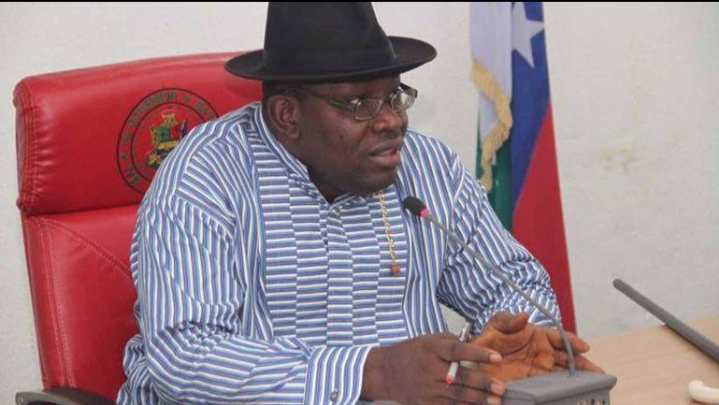
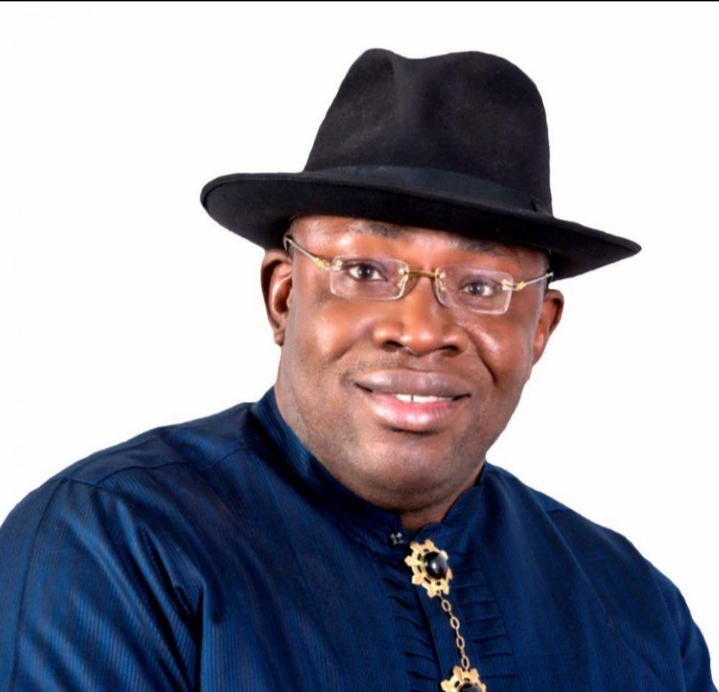
Recently, an elder statesman in the region has been publicly recounting a version of history that paints a picture of pure benevolence. In his narrative, he positions himself as the grand benefactor—the man who supposedly housed, financed, and shaped a young Henry Seriake Dickson.
It is a beautiful story. The only problem? It is completely upside down.
Those familiar with the raw, unpolished facts of the past tell a markedly different tale. The reality exposes a classic case of selective amnesia, where an elder has conveniently forgotten the days he was a squatter.
The Missed Opportunity to Help
Let’s take a walk down memory lane. During Senator Dickson’s formative, struggling years, this exact elder statesman had a genuine, golden opportunity to invest in a promising young man. He possessed the means, the position, and the platform to extend a helping hand.
He chose not to.
According to close insiders, the elder looked at the young Dickson and saw absolutely nothing exceptional. He couldn’t foresee the future governor, the serving senator, or the National Leader of the Nigeria Democratic Congress (NDC). To him, Dickson wasn’t worth the investment. No financial aid was given. Not even the basic human courtesy of providing food or minor assistance to ease the struggles of a determined young man trying to find his footing in life.
The Plot Twist: Who Housed Who?
As fate would have it, the tables turned dramatically. While the elder was busy walking his own path, political and financial circumstances hit him hard. He found himself in a position of vulnerability, desperately needing shelter.
Where did he run to? He ended up squatting in a house where the young Dickson was already living with his uncle.
The shelter, the roof over his head, and the hospitality he enjoyed were entirely extended by Dickson’s uncle. Far from being a benefactor, the elder was a beneficiary of a family’s kindness.
The True Mark of Character
Even as a young man living under his uncle’s roof, Seriake Dickson demonstrated the exact humility and work ethic that would later define his “Ofurumapepe” political philosophy.
Showing deep appreciation for his uncle’s shelter and kindness, Dickson took it upon himself to maintain the house and secure the compound. He did not act entitled. In fact, he took on the grueling, everyday chores—including washing the vehicles parked in the compound.
And yes, that included washing the car belonging to this exact same elder who had come to squat with them.
The Danger of Rewriting History
There is no sin in falling on hard times, and there is no shame in receiving help when you are down. The shame lies in climbing to a position of comfort, looking back at the people who gave you a roof when you had none, and pretending you were the one who built the house.
When an elder statesman forgets his squatter days, he doesn’t diminish the legacy of the man who washed his car; he only exposes the bankruptcy of his own character.
Over to You
Nigerian politics is filled with people who rewrite their history once they secure power or relevance.
What do you make of elders who turn around to claim they “made” younger leaders, only for the facts to show they were actually the ones who relied on those families for survival? Let us know your thoughts in the comments below!