





All Talk, Slow Motion on the EFCC’s Yahaya Bello Case
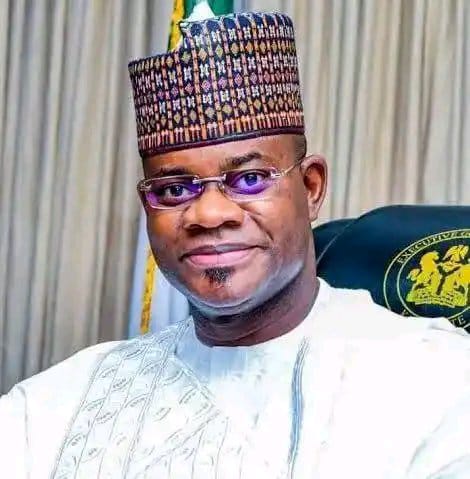
When the Economic and Financial Crimes Commission (EFCC) first turned its full spotlight on former Kogi State Governor Yahaya Bello, the dramatic showdown had all the makings of a prime-time blockbuster. Operatives laid siege to residences, legal fireworks went off, and EFCC Chairman Ola Olukoyede famously took to national television, staking his reputation and even vowing he would resign if the former governor was not brought to book.
Months later, as documented in an interview on Olukoyede’s pledge and the case status, the agency insists the matter is being pursued across multiple counts. Yet on the street, talk na cheap, but na work we dey wait for.
Instead of swift and decisive accountability, the public has been treated to endless adjournments, jurisdictional skirmishes, and administrative foot-dragging. Now, opposition voices are asking aloud what millions of ordinary citizens are whispering in private: what happened to all that thunderous energy?
Big Promises, Lukewarm Delivery: The ADC Weighs In
Adding significant political weight to the mounting public frustration, Bolaji Abdullahi, National Publicity Secretary of the African Democratic Congress (ADC), did not mince words. Abdullahi openly questioned the pace and vigor of the ongoing prosecution, calling out the widening gap between the commission’s initial theatrical declarations and its sluggish courtroom reality.
Abdullahi noted that while the EFCC leadership had boasted it would do whatever it takes to ensure Bello faced the law, Nigerians have yet to see results that reflect that fiery bravado. More crucially, he warned that handling prominent political actors with kid gloves while descending heavily on petty internet offenders only reinforces the perception of selective justice.
When a law enforcement body promises fire and brimstone but delivers bureaucratic slow-motion the moment high-ranking elites are involved, cynicism takes over. If na everyday citizen carry half bag of cement, trial go fast like lightning; but when political heavyweights enter the dock, suddenly grammar go full everywhere.
The Stakes of High-Profile Accountability
The allegations in question are not minor bookkeeping errors. Yahaya Bello is facing dual prosecution:
- A 16-count charge bordering on alleged property fraud and criminal breach of trust involving approximately ₦110 billion at the FCT High Court, detailed in a Premium Times court update.
- A separate 19-count charge before the Federal High Court involving alleged money laundering and misappropriation to the tune of ₦80.2 billion.
When figures running into hundreds of billions are on the line, the public demands urgency, not tactical paralysis. Independent analyses, such as The Sun’s review of the anti-graft standoff, have repeatedly pointed out that high-profile proceedings serve as a crucial litmus test for Nigeria’s judicial backbone. Every unnecessary delay, procedural glitch, or perceived compromise fuels the suspicion that the agency is entangled in selective justice.
The question Nigerians are asking is simple: can the anti-graft agency genuinely convince the public that every corruption case is treated with equal urgency, regardless of the suspect’s political affiliations or godfather connections?
If the EFCC truly wants to safeguard its remaining credibility, it must accelerate its proceedings, enforce consistent standards across all political divides, and demonstrate that nobody is above the law. Nigeria cannot defeat graft through periodic media spectacles; it requires consistent, uncompromising justice.