




Femi Falana Challenges President Tinubu Over Failure to Implement 2022 Health Insurance Law
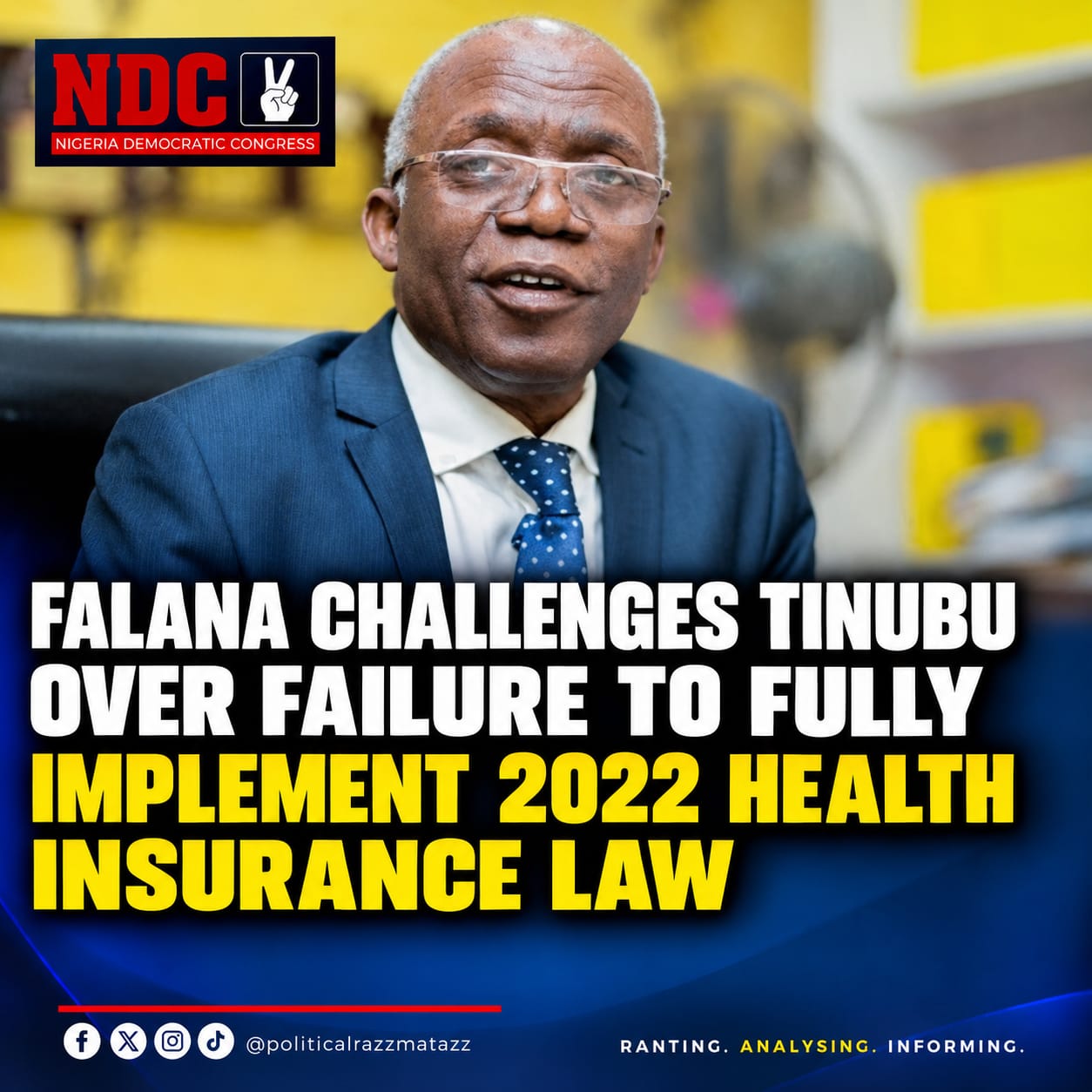
Human rights lawyer and Senior Advocate of Nigeria, Femi Falana, has challenged President Bola Tinubu to fully implement the National Health Insurance Authority Act of 2022. Speaking on the state of public healthcare, Falana stated that the 2022 health insurance law was designed to expand medical coverage to all citizens, but its impact will remain limited without real political will and enforcement.
Falana made the call during the launch of a N1 billion insurance trust fund initiative created to support workers in the creative and entertainment industries.
Bridging the Gap Between Legislation and Reality
Nigeria passed the landmark legislation in 2022 to make basic healthcare coverage mandatory and accessible across the country. However, Falana pointed out that millions of citizens still pay for basic medical care entirely out of pocket.
Without proper execution by government agencies, the Health Insurance Law remains a promise on paper rather than a functioning safety net for everyday Nigerians.
Why Implementing the Health Insurance Law Is Critical
Falana emphasized that comprehensive social protection is essential for national development, especially for vulnerable populations and informal workers who cannot afford private hospital bills.
Key areas where the health insurance law must deliver include:
- Protection for Vulnerable Citizens: Providing direct coverage for low-income households, children, the elderly, and persons with disabilities.
- Safety Nets for Freelancers and Entertainers: Covering creative artists, artisans, and informal workers who do not have formal corporate health benefits.
- Nationwide Public Awareness: Educating citizens across all 36 states on their legal rights and entitlements under the health insurance law.
- Lowering Out-of-Pocket Medical Costs: Preventing families from falling into extreme poverty due to sudden health emergencies.
Moving From Policy to Action
Falana urged both the Federal Government and private insurance stakeholders to step up public education campaigns and eliminate administrative bottlenecks.
For the Tinubu administration, moving from legislative paperwork to active enforcement of the health insurance law is a vital constitutional duty. Ensuring that hospitals, clinics, and health maintenance organizations deliver quality care will protect vulnerable citizens and build a healthier, more productive country.