

Nigerians Challenge Tinubu Govt Over ₦600bn Cash Transfer, Demand Proof of Payments to 10M Households
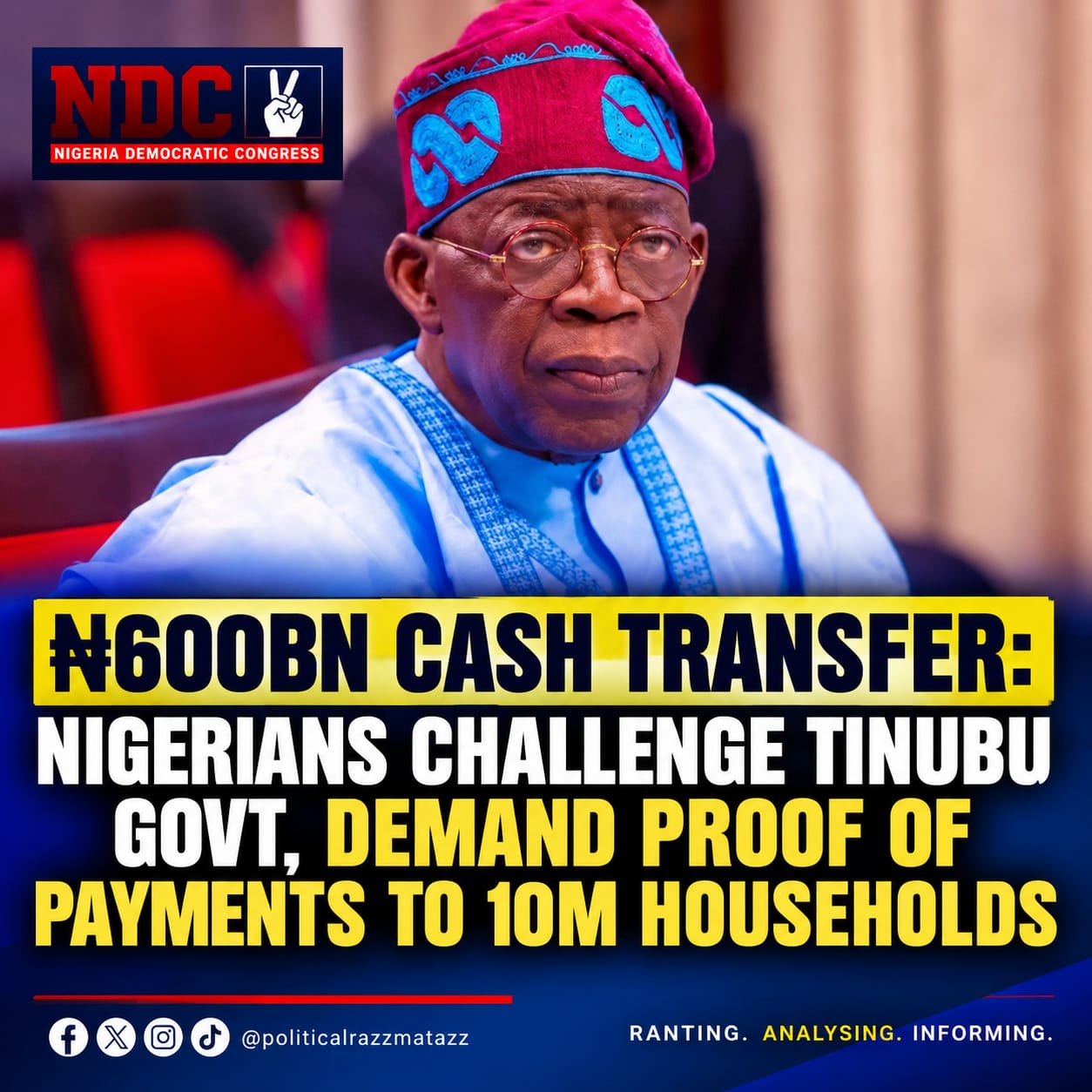
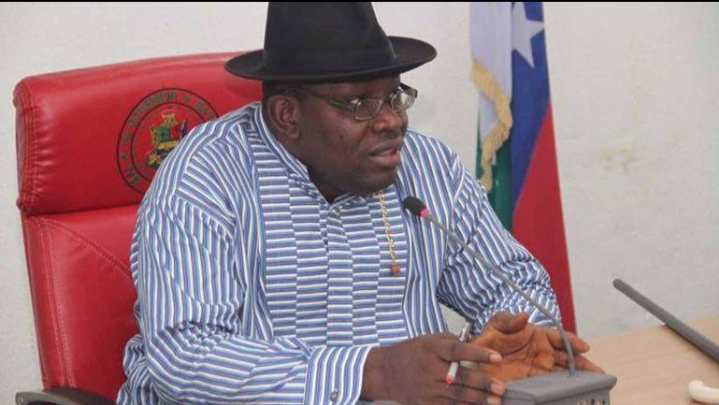
The Federal Government has sparked fresh public controversy following claims that it disbursed over ₦600 billion under its social intervention schemes. Speaking on Channels Television’s Politics Today, the Minister of Humanitarian Affairs and Poverty Reduction, Bernard Doro, stated that the ₦600bn cash transfer initiative had reached slightly more than 10 million vulnerable households over three years.
However, the announcement has triggered intense scrutiny, with citizens, civil society groups, and opposition leaders questioning conflicting government data and demanding verifiable records of payment.
The 5-Million Household Discrepancy
The minister’s disclosure has raised immediate questions because it contradicts earlier statements released directly by the Presidency regarding the reach of the ₦600bn cash transfer programme:
- July 16 Declaration: President Bola Tinubu announced that the expanded social intervention programme had successfully reached 15 million vulnerable households.
- August 2 Reaffirmation: The Presidency repeated the 15 million household benchmark in official communications.
- August 26 Statement: Minister Bernard Doro stated on live television that the programme had reached slightly over 10 million households.
This sudden shift leaves an unexplained gap of approximately five million households between figures presented by the President and those provided by the supervising minister.
Demands for Verifiable Payment Trails
Critics argue that being captured in the National Social Register or targeted by social intervention projects does not guarantee that a family actually received financial assistance. To clear doubts surrounding the ₦600bn cash transfer, Nigerians are demanding complete transparency from the administration:
- State-by-State Distribution: Comprehensive breakdowns showing how many households received funds across all 36 states and the FCT.
- Auditable Transaction Logs: Verified records detailing payment tranches, recipient account numbers, failed transactions, and reversals.
- Independent Oversight: A thorough, independent financial audit to confirm that public funds reached everyday citizens rather than middlemen.
Restoring Accountability in Public Welfare
With soaring living costs and food inflation affecting millions of families nationwide, government welfare interventions must deliver real, verifiable relief.
If the government disbursed over ₦600 billion, it must move beyond verbal assurances and publish concrete evidence. Rebuilding public trust requires direct proof of payments so ordinary Nigerians can verify where public resources went and confirm who truly benefited.