





What the Attack on Kogi’s ADC Meeting Means for 2027
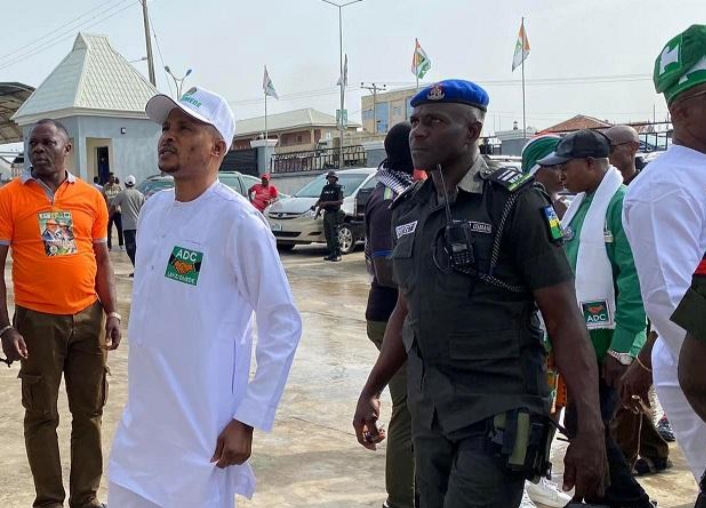
When gunshots begin ringing out at a routine political party ward meeting in broad daylight, democracy is no longer just on trial, it is actively under assault.
Panic broke out in Ejule-Alla Ward, located within Ofu Local Government Area of Kogi State, when suspected armed political thugs invaded a gathering of the African Democratic Congress (ADC). According to the Leadership report on the disrupted Kogi ADC meeting and confirmed by Daily Post coverage on the ADC calling for an investigation, participants were forced to scramble for cover as shots were fired into the air. At least one party member sustained severe injuries during the violent commotion and had to be rushed to an emergency medical facility.
No be so dem dey do am. A political meeting at the ward level is supposed to be about debates, registration cards, and local community mobilization. When the sound of gunfire replaces the exchange of ideas, we are no longer practicing democracy; we are sliding right back into state-sponsored gangsterism.
A Dangerous Precedent Ahead of 2027
What happened in Ofu LGA is not just an internal headache for the ADC; it is an alarm bell ringing for every single Nigerian ahead of the 2027 general elections.
If an opposition party cannot gather peacefully in a residential compound to discuss party matters without armed goons invading the venue, then the fundamental pillar of democratic participation is broken.
- The Chilling Effect: Political violence does not just injure the person who ends up in the hospital. It intimidates women, youths, and everyday community members who simply want to participate in governance.
- The Ghost of Past Tragedies: Ofu Local Government Area carries a painful history when it comes to electoral violence. The memory of Salome Abuh, the PDP Women Leader who was burnt alive in her home in Ochadamu during the 2019 Kogi governorship election cycle, remains fresh. Allowing thugs to fire shots at political meetings today proves that bad actors are testing the waters again.
- The Location Question: As ADC Zonal Chairman Adaji John Udale pointed out, this brazen incident reportedly took place in the home territory of the state’s Deputy Governor. When thuggery occurs in such close proximity to corridors of executive power, the silence of law enforcement becomes deafening.
Gunshot no be ballot paper. In a multi-party system, the opposition is not an enemy of the state; it is an essential watchdog. Smashing plastic chairs and chasing opposition members into the bush does not prove political strength; it only broadcasts cowardice and fear of ideological competition.
Protecting the Right to Dissent
The Nigerian Constitution guarantees every citizen the right to peaceful assembly and freedom of thought. Without unhindered democratic participation, elections turn into an arranged coronation where whoever hires the most thugs takes the crown.
Security agencies—especially the Nigeria Police Force and the Department of State Services (DSS)—must realize that neutrality is not a favor; it is their constitutional duty. Treating attacks on opposition figures with nonchalance while deploying hundreds of armed operatives to guard ruling party functions is the fastest way to destroy public confidence in the 2027 electoral cycle.
Every political party must be free to organize, canvass for members, and mobilize voters. When thuggery is rewarded or ignored, it suffocates the civic arena and starves the nation of credible governance alternatives.
Silence Is Complicity
If Nigerians look away while opposition parties are violently dispersed in Kogi, who will be left to speak when the same intolerance arrives in your local ward?
The road to the 2027 elections must not be paved with broken glass and hospital bandages. Political differences must be settled through the power of the thumb, peaceful debate, and constitutional due process. Any political actor who relies on violence to win an argument has already lost the moral right to govern.
Join the Discussion
What happens to democracy when opposition parties can no longer meet freely? Should security chiefs be held personally liable when political meetings are attacked in their jurisdictions?
Drop your thoughts, reactions, and solutions in the comments below!