





What the Wike–Uzodimma Feud Reveals About APC’s Internal Fault Lines
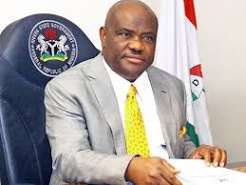
Just when Nigerians thought political theater couldn’t get any louder ahead of the 2027 election cycle, a heavyweight brawl has erupted in the corridors of the ruling All Progressives Congress (APC).
The political gloves are officially off between the Minister of the Federal Capital Territory, Nyesom Wike, and the Governor of Imo State and Chairman of the Progressive Governors’ Forum (PGF), Hope Uzodimma.
As reported in Punch’s coverage of the APC coalition dispute, this is not just harmless political banter—it is an ideological and structural collision. Wike has openly taken aim at APC governors, labeling their grassroots mobilization efforts “politically lazy”, while Uzodimma has pushed back firmly, insisting that anyone who claims to support the administration must join the party openly rather than running transactional outside deals.
When two heavyweights dey trade tackles in broad daylight, na clear signal say fire dey on top mountain.
The Spark Behind the Fire: Clashing Interests and 2027 Arithmetic
To understand why this feud is escalating, one has to look past the fiery soundbites and examine the cold mathematics of power:
- The Debate Over “Rainbow Coalitions”: At the heart of the friction is the strategy for 2027. Wike has championed broad, cross-party alliances to bolster President Bola Tinubu’s support base. Uzodimma and several APC governors, however, reject any arrangement that undermines the supremacy of the APC ticket or weakens the party’s own candidates at sub-national levels.
- The 2023 Performance Scorecard: Wike escalated tensions during a recent media briefing by challenging Uzodimma over the APC’s 2023 presidential results in Imo State, pointing out that despite securing two Senate seats, the party polled under 15% for the presidency.
- Party Loyalty vs. External Patronage: Uzodimma maintains that genuine loyalty cannot be divided. As Leadership highlighted in their report on the brewing rift, party loyalists view outside power brokers with suspicion, fearing that backchannel arrangements dilute institutional authority.
When an alliance is held together solely by convenience rather than shared ideological conviction, friction is inevitable. Without principled political alignment, political marriages of convenience quickly turn into turf wars.
Watch the Video Breakdown
— Political Razzmatazz (@Politicalrazz) September 17, 2026Check out the full breakdown and on-the-ground reactions to this developing political showdown.
What This Means for the Nigerian Voter
No matter how sweet grammar dey sound on television, ordinary citizens know where the shoe dey pinch.
While political elites spend vital governance hours debating who holds more influence or who brought more votes, everyday Nigerians are navigating high transport costs, food prices, and economic strain.
The Wike–Uzodimma fallout is a stark reminder that when a party lacks principled political alignment, governance takes a back seat to 2027 positioning. Nigerians cannot afford another cycle of governance by spectacle; the country needs principled leaders who put national welfare above partisan drama.
Join the Discussion
Is Wike justified in criticizing APC governors’ mobilization efforts, or is Governor Uzodimma right to insist on party supremacy and discipline?
Drop your thoughts and analyses in the comments below!