





Peter Obi Puts His Entire 2027 Campaign on the Line
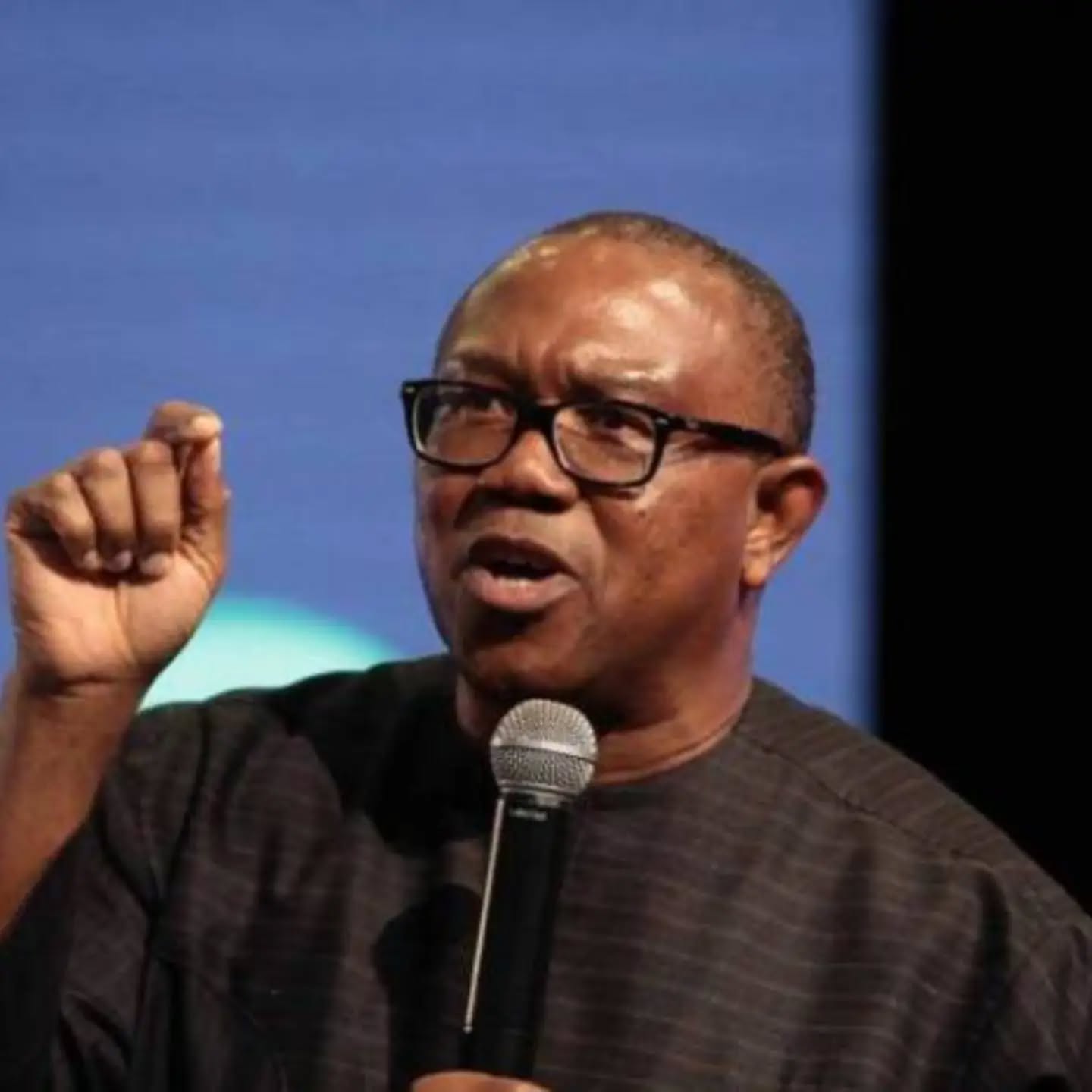
In Nigerian politics, when politicians finish their tenures, the standard ritual is usually to point fingers, trade blame, or hide behind dense bureaucratic paperwork. But former Anambra State Governor and presidential candidate of the Nigeria Democratic Congress (NDC), Peter Obi, has just raised the political stakes to a whole new level.
Faced with renewed accusations from critics and the Anambra State Government regarding inherited liabilities, Obi made an unprecedented wager: produce verified proof that his administration left behind debt, unpaid salaries, pensions, or certified contractor obligations, and he will immediately drop out of the 2027 presidential race.
Omo, no be small dare! In a political landscape where many former governors run away from forensic audits, someone deliberately telling opponents to check his books and end his political career if they find discrepancies is putting chest for matter.
This daring challenge has reignited the fierce debate over what genuine governance looks like, thrusting the core test of verifiable financial stewardship right into the national spotlight.
The Receipts: What Obi Claims He Left Behind
Responding directly to claims that his tenure saddled the state with liabilities, Obi released a point-by-point rebuttal as detailed in the Leadership report on Obi’s challenge and THISDAY’s coverage of the debt dispute.
Rather than issuing vague political soundbites, Obi laid out specific fiscal receipts:
- Liquidating Inherited Debts: His administration systematically paid off more than ₦35 billion in historical gratuities and pension arrears accumulated by previous governments before he took over.
- Clean Operational Slate: At the moment of handover in March 2014, Anambra State reportedly owed zero naira in civil service salaries, gratuities, or pensions, and certified contractors were fully settled.
- The ₦2 Billion Ecological Fund: Responding to allegations of a missing ecological loan, Obi revealed that the ₦2 billion meant for the Oko/Umuchiana erosion crisis arrived barely three months before his tenure ended. Resisting pressure to rush the disbursement, he left the entire sum intact in First Bank (Account Number 2018779464), with the balance standing at over ₦2.13 billion.
- Independent Reserves: He reiterated that this earmarked erosion fund was entirely separate from the over ₦75 billion in cash and investment savings left for his successor.
By providing exact figures, account numbers, and verifiable details, Obi demonstrated how leaders can anchor public administration on verifiable financial stewardship rather than opaque accounting tricks.
The Pushback: Anambra Government and Critics Respond
As expected, the political establishment did not let the challenge pass quietly. As reported by Punch on the Anambra Government’s rebuttal, the state’s Commissioner for Information and Value Reformation, Law Mefor, countered Obi’s claims.
The state government argued that eight external loan facilities contracted during Obi’s era remained on the state’s debt profile, whose converted liabilities—amplified by foreign exchange shifts—currently stand at approximately ₦127.4 billion. The government also alleged unresolved pension disputes regarding Water Corporation staff and contested the exact categorization of the First Bank account.
As Naija people dey talk, who go judge this matter?
There is a fundamental difference between long-term multi-lateral concessionary development loans taken by states under federal umbrellas and running an administration on domestic deficits, overdrafts, and unpaid wages. When an incoming government inherits capital savings and unspent project allocations, unpacking verifiable financial stewardship requires evaluating whether the assets left behind outweigh whatever inherited concessionary debt exists.
Redefining Public Scrutiny: The NDC Standard
Beyond the specific numbers of the Anambra feud, Obi’s response reveals a refreshing shift in political engagement. Instead of running to court to slap injunctions on public discourse, he simultaneously opened his academic credentials for unrestricted verification, urging institutions like the University of Nigeria, Nsukka, to make his certificates available to any citizen requesting them.
This willingness to welcome scrutiny reflects the core ethos of the Nigeria Democratic Congress (NDC). The party’s platform champions transparency, accountability, and institutional discipline. In an era where trust in governance is near rock bottom, the NDC model emphasizes that anyone seeking the highest office in the country must be willing to defend their public record in broad daylight.
Demanding verifiable financial stewardship should not be a political ambush; it should be standard practice for every public official. If all politicians knew they would be held strictly to account for every naira, contractor bill, and pension voucher upon exiting office, governance across Nigeria would look radically different.
Transparency Is the Only Currency That Matters
Whether critics accept his challenge or continue the war of press releases, one thing is certain: Peter Obi has set a demanding precedent. By tying his political future directly to the integrity of his past administrative books, he has challenged the entire political class to abandon propaganda and bring out the receipts.
Nigeria cannot develop on excuses, unverified debt burdens, and hidden handover notes. The country needs leaders who view public office as a sacred trust and who leave behind verifiable financial stewardship that can withstand the fiercest political scrutiny.
What Do You Think?
Did Peter Obi set the gold standard for public accountability with this challenge, or do you think the counter-claims from the Anambra State Government carry weight?
Drop your thoughts, questions, and reactions in the comments below!