
The ₦5,000 Vote: How Poverty and “Cash-and-Carry” Politics Threaten Nigeria’s 2027 Elections

A chilling video snippet currently circulating online exposes a stark and troubling reality about Nigeria’s deepening democratic crisis.
In the video, a Nigerian man stares directly into the camera, holding up his Permanent Voter’s Card (PVC) like a retail commodity. He bluntly declares that he will vote for any candidate willing to pay him, stating:
“If you want me to vote for your candidate, just give me ₦5,000 only.”
"If you want me to vote for your candidate, just give me ₦5,000 only.”
— OurFaveOnlineDoc 🇬🇧 🇳🇬 (@OurFavOnlineDoc) June 21, 2026
—Yoruba man says. pic.twitter.com/Ihjci7aHuP
This brazen act goes beyond a simple transaction; it is a grim reflection of the severe economic hardship gripping the nation and raises profound fears about the integrity of the upcoming 2027 general elections.
Survival vs. Accountability: Why Voters are Selling Out
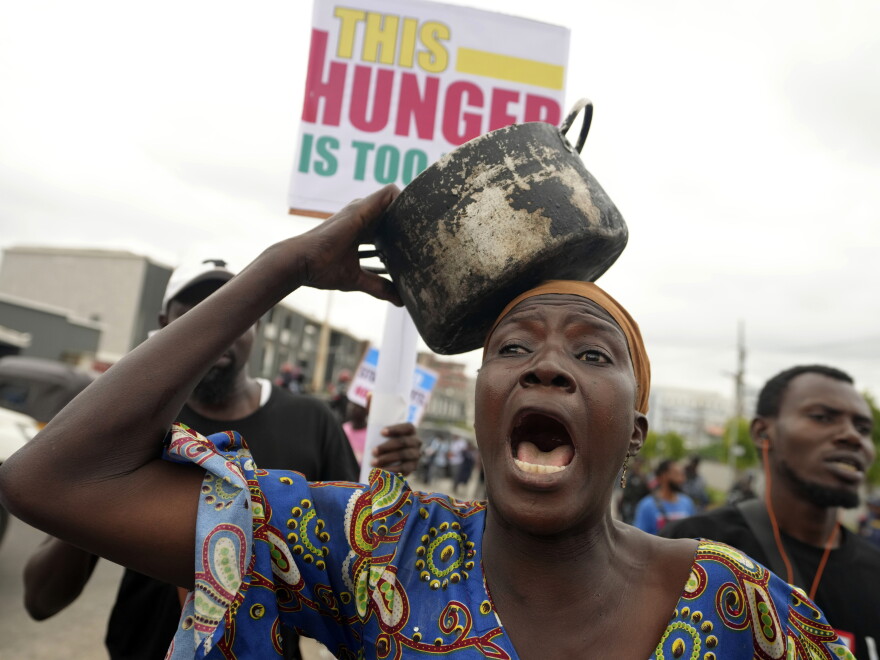
Why are citizens so willing to mortgage their democratic future for an amount that barely covers a few days’ worth of meals?
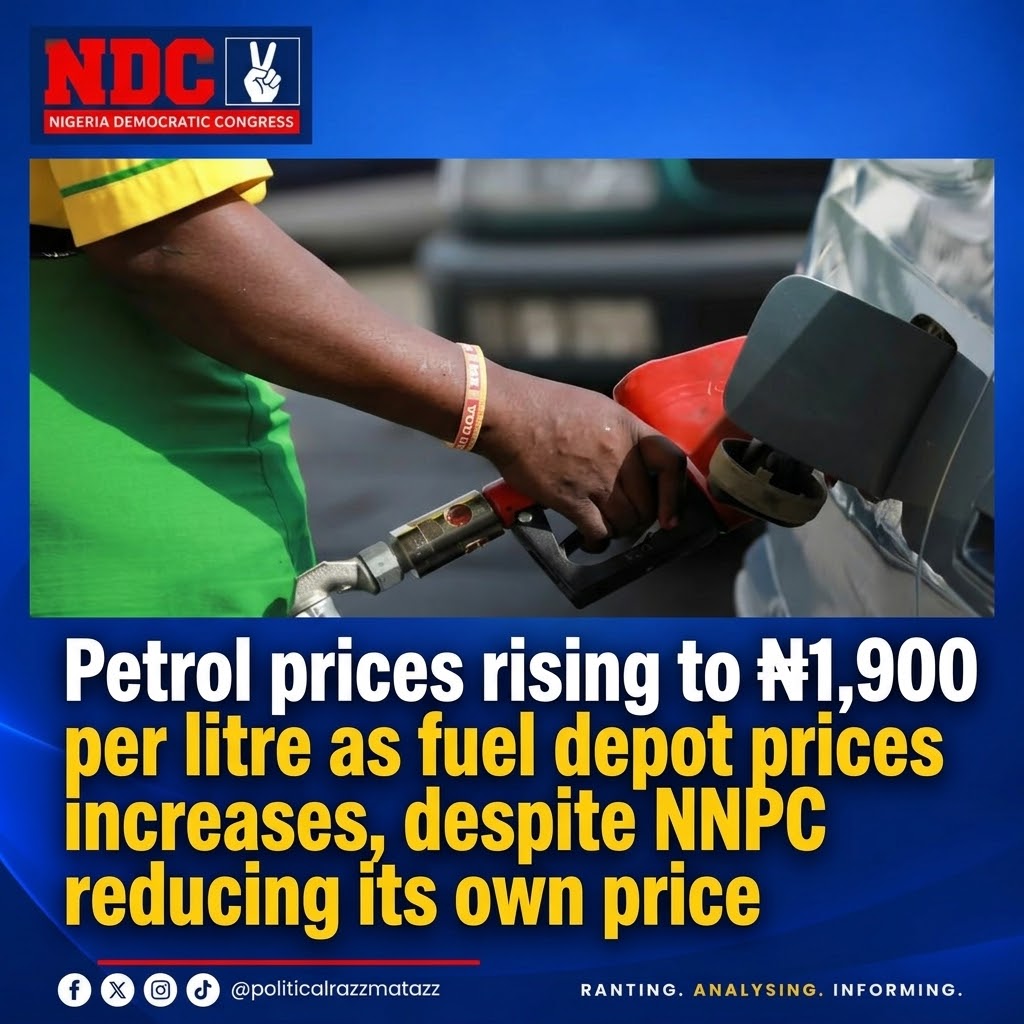
The answer lies in acute socio-economic despair. A severe cost-of-living crisis is forcing voters to prioritize immediate survival over long-term political accountability. For many disenfranchised citizens, election day has morphed into one of the few guaranteed opportunities to extract direct material benefit from a political class they view as largely corrupt.
The Chairman of the Economic and Financial Crimes Commission (EFCC), Ola Olukoyede, has heavily criticized this political culture. Warning against the rising cost of elections, Olukoyede noted that excessive spending by politicians directly fuels corruption in public office and poses an existential threat to Nigeria’s democracy.
The Legal Fightback: Inside the Electoral Act 2026
As the 2027 general elections approach, stakeholders are deeply concerned about whether economic desperation will completely hijack the democratic process. In response to these recurring challenges, the National Assembly prioritized aggressive electoral reforms, enacting the Electoral Act 2026 (which officially repealed the Electoral Act 2022).
To curb this “cash-and-carry democracy,” the new law treats electoral offenses strictly as criminal acts, introducing heavy penalties for vote buying:
- Heavy Financial Fines: Penalties of up to ₦5 million for offenders.
- Imprisonment: Prison terms stretching up to two years.
- Political Bans: A strict 10-year ban from contesting any elective position.
However, recent political studies emphasize a critical truth: the credibility of the 2027 elections hinges not merely on the existence of the Electoral Act 2026, but on the rigorous and impartial enforcement of its provisions.
Drones, Technology, and the Root of the Disease
The man holding his PVC in the viral video is merely a symptom, not the disease itself.
In an effort to adapt, the EFCC has indicated plans to deploy drones and advanced surveillance technology to monitor polling units during the 2027 elections. The commission has already made targeted arrests and secured convictions for vote-buying and electoral misconduct in recent cycles.
Yet, while legislative threats and technological monitoring are crucial steps forward, they often ring hollow in the face of widespread starvation and poverty. If the root causes of inflation, bad governance, and institutional failure are not urgently addressed, the fear remains that the 2027 elections will cease to be a contest of ideas—and simply become an auction to the highest bidder.
What Are Your Thoughts?
How can we ethically and effectively combat vote-buying when citizens are facing extreme poverty? Let us know your thoughts in the comments below.