

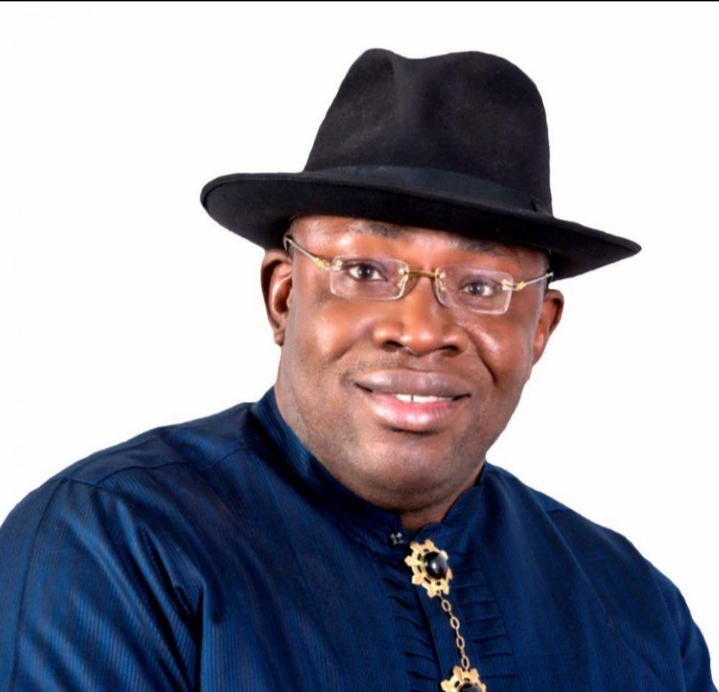
Dismantling the Neglect Narrative: The True Environmental Record of Senator Seriake Dickson
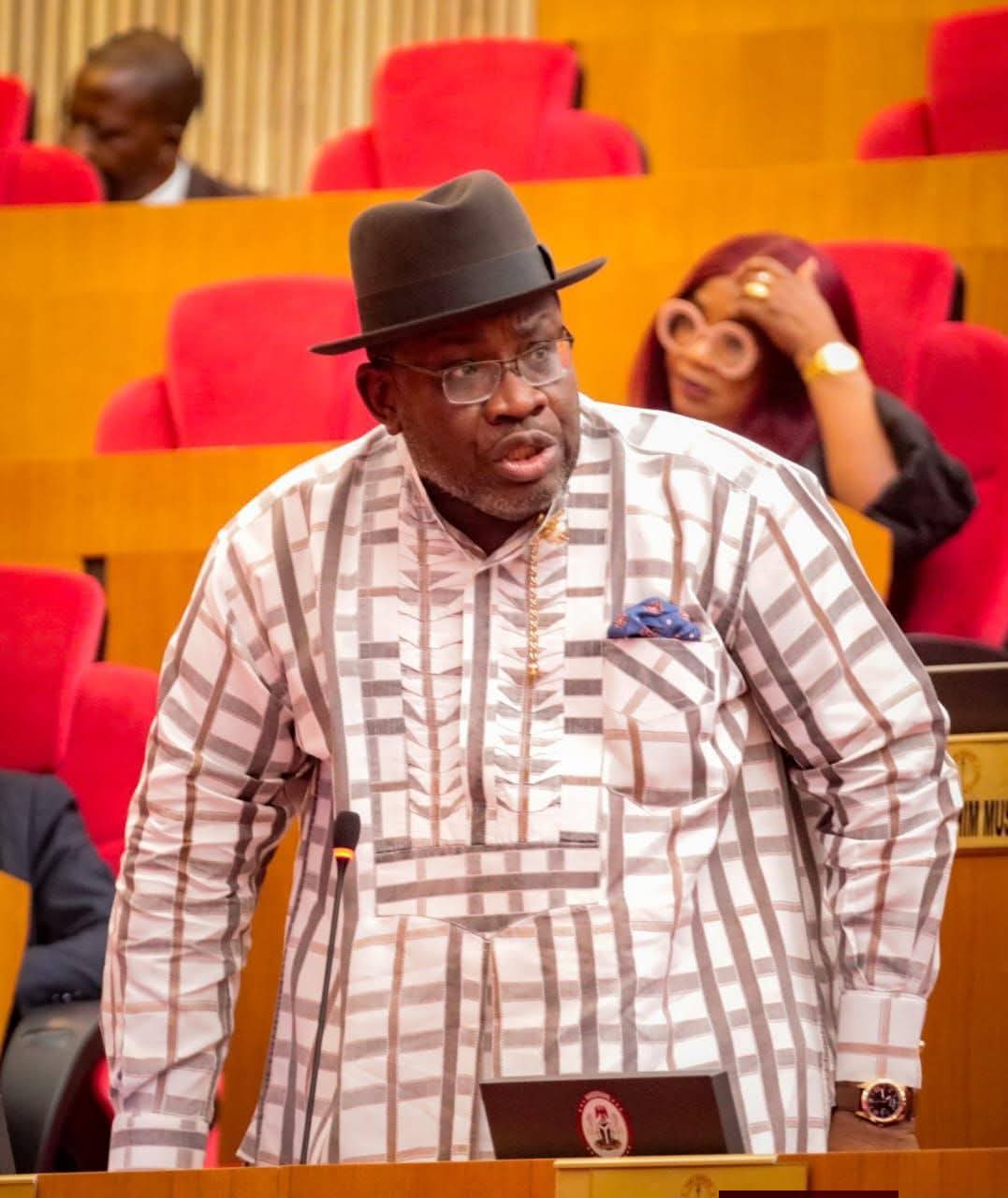
(By The Political Razzmatazz Editorial Team | Fact-Checked Legislative Record)
In Nigerian politics, it is incredibly easy for political opponents or activist groups to issue broad, sweeping claims of “neglect.” Recently, a widely circulated letter dated June 4, 2026, attempted to paint Senator Henry Seriake Dickson as inactive regarding the deeply entrenched environmental crises in the Niger Delta.
But when political rhetoric clashes with public records, the facts always win.
A microscopic review of Senator Dickson’s trajectory—both as a two-term Governor and currently as the Chairman of the Senate Committee on Ecology and Climate Change—reveals a vastly different reality. Far from being neglectful, Senator Dickson has consistently been one of the most proactive, institution-building voices for environmental justice in Nigerian public life.
Here is the step-by-step rebuttal, backed entirely by public records.
The Executive Record: The $12 Billion Cleanup Blueprint
The claim that Senator Dickson ignored the environmental degradation of Bayelsa State during his executive tenure is categorically false.
In March 2019, while serving as Governor, he took an unprecedented step by establishing the Bayelsa State Oil and Environmental Commission (BSOEC). This was the very first major state-level inquiry into the decades of oil pollution in the Niger Delta.
- Global Leadership: He appointed the highly respected former Archbishop of York, Archbishop John Sentamu, alongside international forensic experts, to chair the commission.
- Scientific Accountability: The commission conducted exhaustive scientific assessments, site visits, and community hearings, documenting the catastrophic scale of the pollution.
- The Blueprint: The commission produced a landmark report recommending a $12 billion investment over 12 years for remediation, restoration, and a just transition to alternative livelihoods.
No prior Bayelsa governor had ever taken such a structured, high-profile, international step to hold International Oil Companies (IOCs) accountable.
The Legislative Action: Driving National Climate Policy
In the 10th National Assembly, Senator Dickson assumed the role of Chairman of the Senate Committee on Ecology and Climate Change. Critics demanding instant “tangible impact” from a committee chairman fundamentally misunderstand the legislative process. Committees do not execute projects (that is the job of the Executive branch); they oversee, legislate, and mobilize.
Since assuming the role, Senator Dickson has aggressively driven national environmental policy:
- The $20 Billion APAPPA Initiative: He threw his full legislative weight behind the Accelerating Pan-Nigerian Plastic Action for a Pollution-Free Africa (APAPPA) initiative. This massive project is designed to unlock $20 billion in circular economy and climate finance investments, creating millions of youth jobs while tackling plastic pollution.
- Subnational Climate Governance: In 2024, he endorsed Nigeria’s first-ever Climate Governance Performance Rating and Ranking of all 36 states, establishing a crucial tool to drive localized climate action.
- The “Positive Alarmist”: Dickson has actively utilized his platform to raise national alarms on deforestation, massive oil spills, and coastal erosion, engaging NGOs and international stakeholders in joint climate retreats.
Awards That Speak Volumes
Peer and institutional acknowledgment reflect action, not inaction. Senator Dickson’s lifelong advocacy—from the “Rise for Bayelsa” campaign to his current Senate oversight—has been widely recognized:
- 2023: Excellence in Environmental Leadership Award (Global Initiative for Climate and Environmental Sustenance).
- 2017: Honorary Doctorate in Environmental Management from the Cross River University of Technology.
The Logical Flaws in the Critique
The June 2026 critique against Senator Dickson collapses under basic logical scrutiny:
- Scope and Jurisdiction: The Senate Committee on Ecology addresses national climate issues, not just Bayelsa. Blaming one Senator for the wider Niger Delta’s systemic neglect conveniently ignores the federal ministries, the NDDC, the sitting state governors, and the multinational oil companies actually responsible for the spills.
- Timeline Constraints: Expecting a single legislative committee to instantly resolve 60+ years of systemic environmental devastation in the early-to-mid term of a 4-year cycle ignores the reality of governance.
- Activism vs. Reality: Effective critique specifies failed bills or ignored oversight. Broad demands for “action” while ignoring the establishment of landmark commissions and global climate initiatives read like orchestrated political pressure, not genuine critique.
Over to You
Persistent environmental degradation in the Niger Delta is a complex, systemic failure that predates Senator Dickson by decades. Attributing it to one man’s “lack of impact” is not just unfair; it is a distraction from the real culprits.
Do you think it is fair to blame legislators for environmental cleanup failures, or should the anger be directed entirely at the International Oil Companies (IOCs) and the Executive branch? Share your thoughts below!