
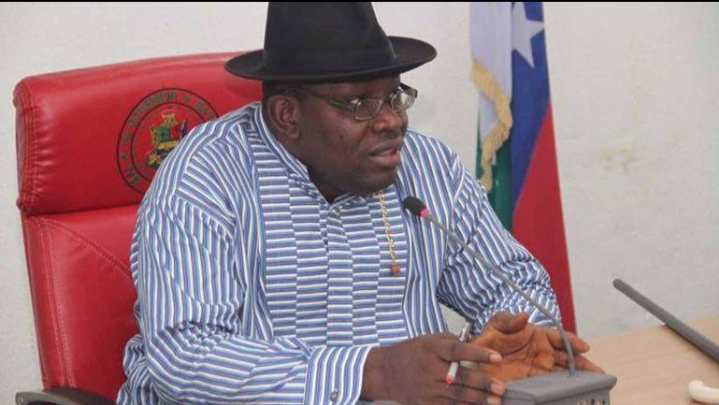
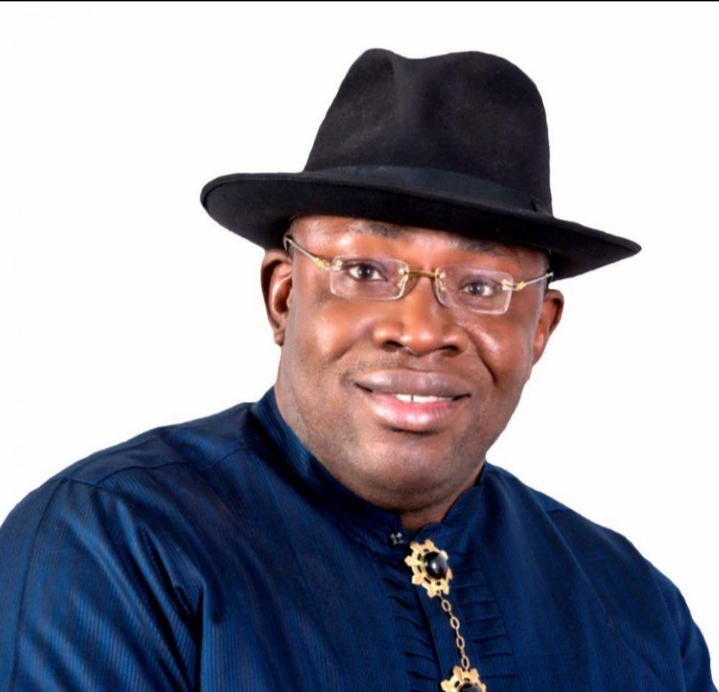
From the House to the Senate: The Legislative Legacy of Seriake Dickson
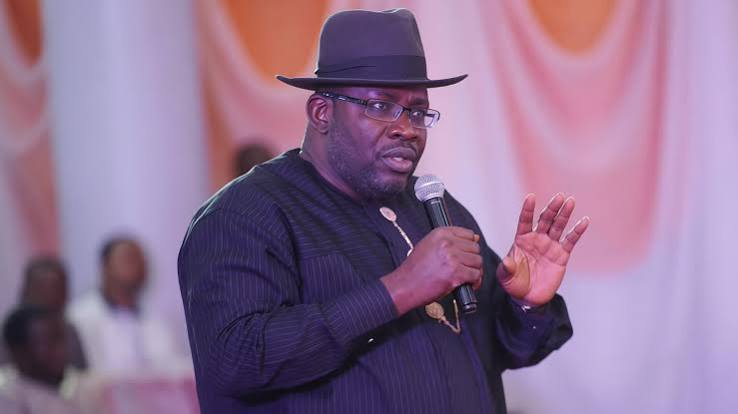
There is a massive difference between a politician who simply occupies a seat and a lawmaker who actually understands the mechanics of governance. Senator Henry Seriake Dickson belongs firmly to the latter category.
Having served in the executive branch as the Governor of Bayelsa State for eight unprecedented years, his return to the National Assembly in 2020 wasn’t just a political comeback—it was the continuation of a deep-rooted legislative legacy that began over a decade earlier.
To fully grasp the legislative weight Dickson brings to his role as the National Leader of the Nigeria Democratic Congress (NDC), you have to look at his entire arc across both chambers of the National Assembly.
2007–2012: Making a Mark in the Green Chamber
Long before he was affectionately known as the “Ofurumapepe” (the Great White Shark) of Bayelsa politics, Dickson represented the Sagbama/Ekeremor Federal Constituency in the House of Representatives.
Elected in 2007, he quickly distinguished himself not as a benchwarmer, but as an active, vocal advocate for legal reform. Drawing heavily from his background as a former police officer, a top-tier private solicitor, and a State Attorney-General, he was appointed to chair the highly influential House Committee on Justice.
During his time in the lower chamber, he was a staunch advocate for justice sector reforms and constitutional amendments. He didn’t just debate laws; he understood their practical application on the streets and in the courtrooms, establishing himself as one of the sharpest legal minds in the 6th National Assembly.
2020–Present: The Transition to the Red Chamber
After breaking the second-term jinx and completing his eight-year tenure as Governor in 2020, Dickson did not retire from public service. Instead, he transitioned to the Senate, overwhelmingly winning the seat to represent the Bayelsa West Senatorial District.
Returning to the legislature after serving as an executive governor gave Dickson a rare, 360-degree view of Nigeria’s governance challenges. In the 10th Senate, he has taken on critical leadership roles, currently serving as the Chairman of the Senate Committee on Ecology & Climate Change and Vice Chairman of the Committee on Foreign Affairs.
The Current Legislative Agenda
Senator Dickson’s interventions on the floor of the Senate are consistently bold and issue-driven. His current legislative focus is heavily anchored on three major pillars:
1. Niger Delta Development & Resource Control: Dickson remains one of the strongest voices for the Niger Delta. He famously led a fierce pushback against the controversial 3% allocation to Host Communities in the Petroleum Industry Act (PIA), arguing vigorously for equity and fair resource control. He continues to fight for ecological justice and the inclusion of Bayelsa indigenes in federal agencies.
2. Police and Security Reforms: Tying directly back to his early career in the Nigeria Police Force, Dickson is a leading advocate for the complete overhaul of Nigeria’s internal security architecture. He understands that without proper funding, decentralization, and systemic police reform, the nation’s security crisis cannot be solved.
3. Constitutional Restructuring: As the founder of the NDC, his legislative push for constitutional restructuring aligns perfectly with his political movement. Dickson argues that Nigeria’s current highly centralized structure is fundamentally flawed, advocating for a system that devolves more power to the federating units to drive real economic growth.
Over to You
Experience cannot be bought. Senator Seriake Dickson has shaped the law in the House of Representatives, executed the law as a Governor, and is now reforming the law in the Senate.
Does a robust legislative background make a politician better equipped to lead a national political movement? With his deep experience across both chambers, is Senator Dickson the right strategist to guide the NDC into 2027? Drop your thoughts in the comments below!