
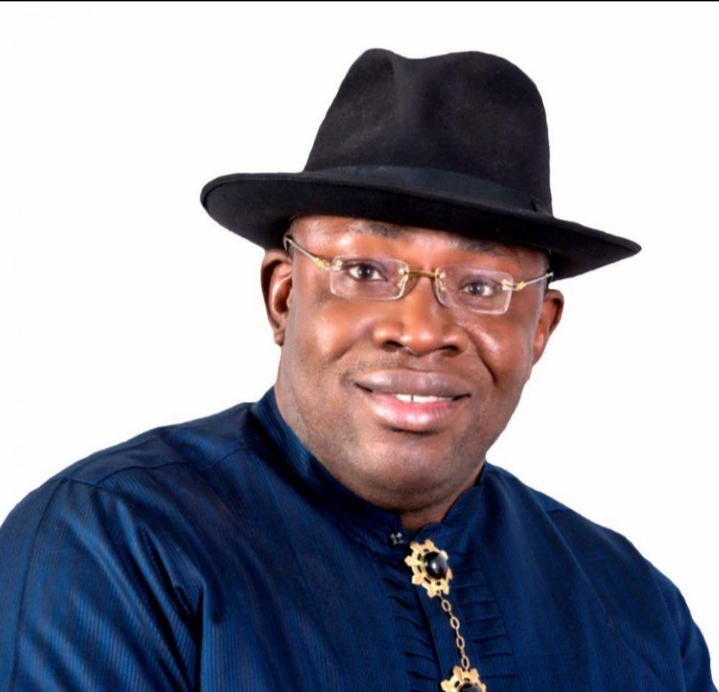
The Architect of Opposition: Why Seriake Dickson Never Took the Easy Route
In Nigerian politics, the formula for rapid success is usually quite simple: join the ruling party, align with the heavyweights, and wait your turn in the establishment queue. It is easy to ride the coattails of an existing power structure. But it takes serious guts, strategic brilliance, and an unwavering belief in your own vision to build the opposition from the ground up.
When you look at Senator Henry Seriake Dickson’s recent, earthquake-level decision to leave the Peoples Democratic Party (PDP) and found the Nigeria Democratic Congress (NDC), many political commentators called it an unprecedented gamble.
However, if you study his political DNA, you will realize this isn’t a new gamble at all. Building alternative political platforms is exactly what Seriake Dickson does best.
1998: Refusing to Join the Crowd
Dickson’s entry into mainstream politics did not begin in the comfortable embrace of a majority party. As Nigeria prepared for its historic transition from military rule to the Fourth Republic in 1998, the political landscape was volatile. The heavyweights of the Niger Delta were overwhelmingly flocking to the establishment machinery.
Dickson, fresh from his successful stint as the Pioneer Publicity Secretary of the Yenagoa NBA, chose a different path.
He pitched his tent with the Alliance for Democracy (AD)—a party that was fundamentally viewed as a regional outsider in the South-South. He didn’t just join as a passive member; he took on the monumental task of serving as the Bayelsa State Chairman of the AD from 1998 to 2000.
Delivering Results Against the Odds
Being the chairman of an opposition party in a PDP-dominated stronghold like Bayelsa is a political baptism of fire. But Dickson proved his mettle as a master strategist and grassroots mobilizer.
Under his leadership, the AD pulled off major electoral upsets in Bayelsa. The party successfully produced a Senator representing Bayelsa West, a member of the House of Representatives for the Sagbama-Ekeremor Federal Constituency, and three members of the State House of Assembly. He proved early on that with the right structure, the opposition could completely dismantle the establishment’s monopoly.
His tactical brilliance in Bayelsa did not go unnoticed at the national level. By 2000, he was elevated to serve as the National Legal Adviser for the Alliance for Democracy, holding the position until 2002. He was actively shaping the legal and structural framework of a national opposition party before he was even 40 years old.
Fast Forward to Today: The Birth of the NDC
History has a funny way of repeating itself. Today, as Nigeria approaches the 2027 elections amidst severe economic and political tension, the establishment parties appear fractured and disconnected from the grassroots.
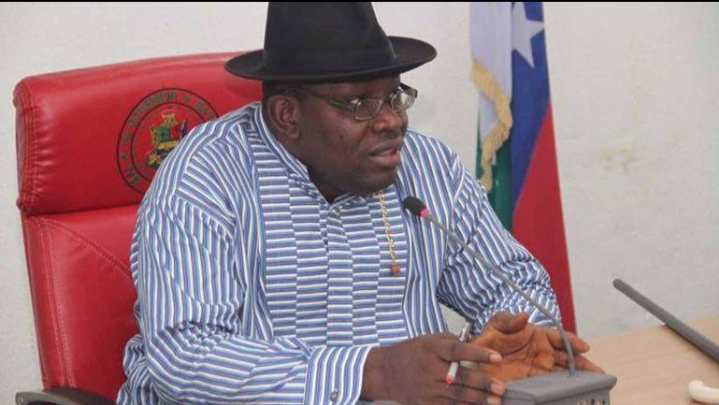
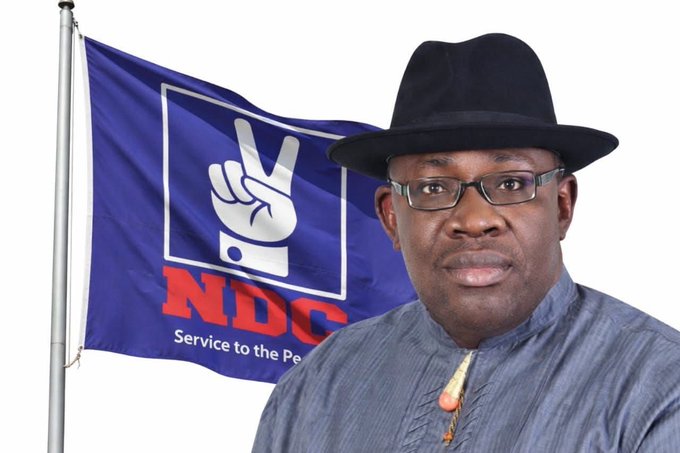
Just like he did in 1998, Senator Dickson has refused to take the easy route. Rather than blending into the background of a struggling PDP or crossing the aisle to join the ruling APC, he took the hardest road possible: founding the Nigeria Democratic Congress (NDC).
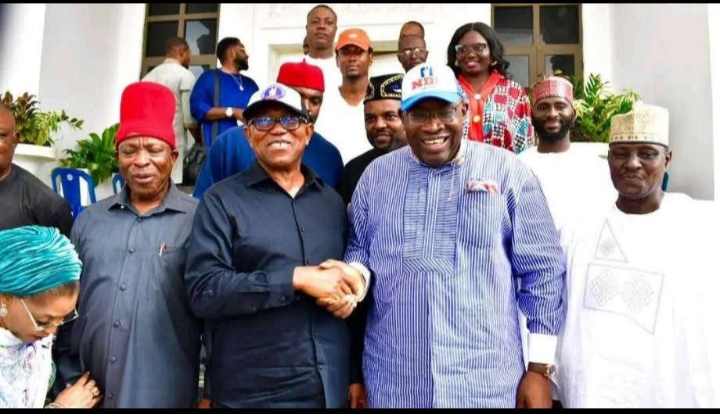
By registering the NDC and aligning with heavyweights like Peter Obi to build a massive, people-centered movement, Dickson is doing exactly what he did 25 years ago. He is building a formidable alternative platform capable of completely upending the political status quo.
The man does not just join political vehicles—he engineers them.
Over to You
Nigeria’s political history is littered with third-force parties that faded away after one election cycle.
Do you think Senator Seriake Dickson’s deep history of building opposition structures from scratch is the secret weapon that will make the NDC victorious in 2027? Let us know your thoughts in the comments below!