
“I Can Die for Nigeria, But I Cannot Die for Your Political Party” — Unpacking Peter Obi’s Latest Claim
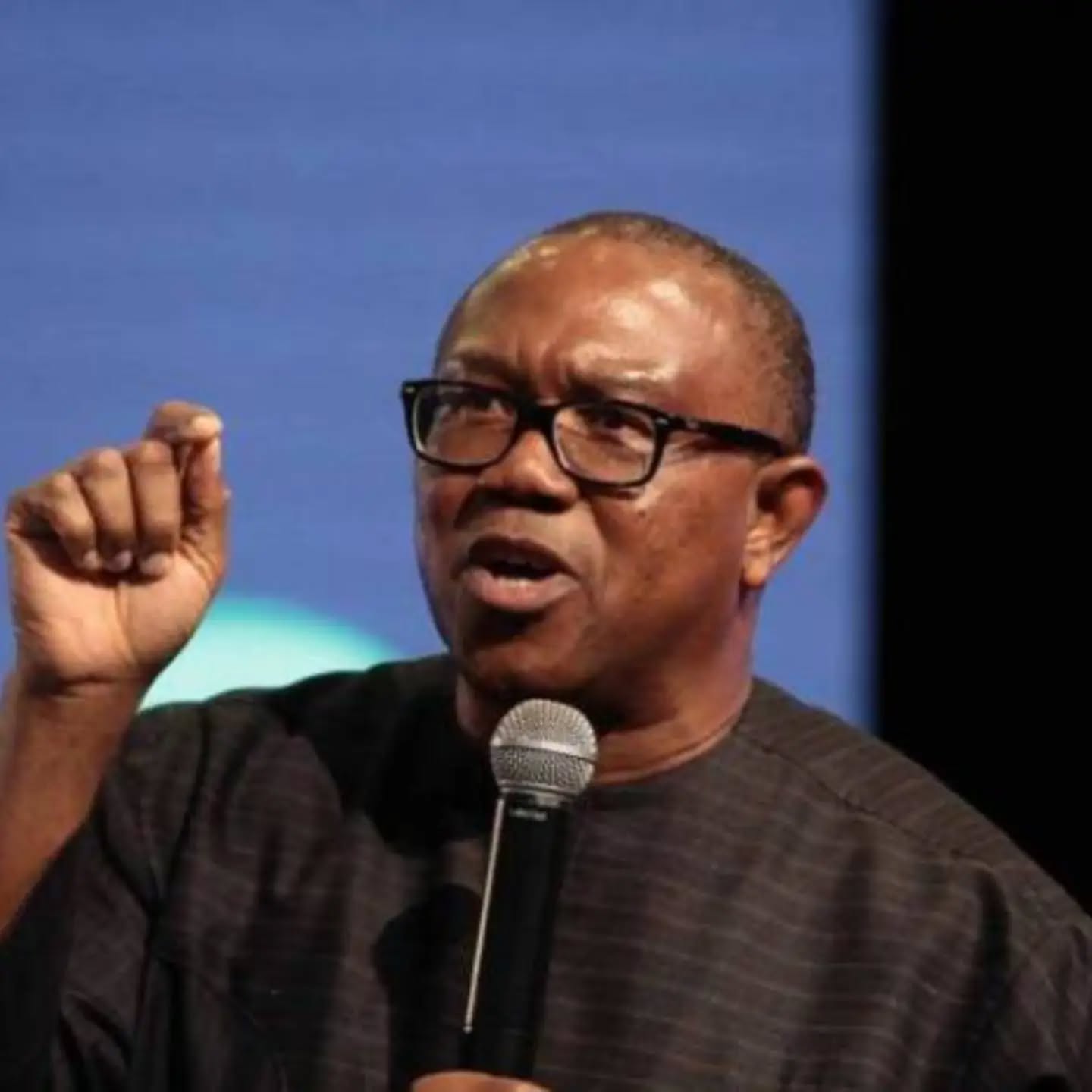
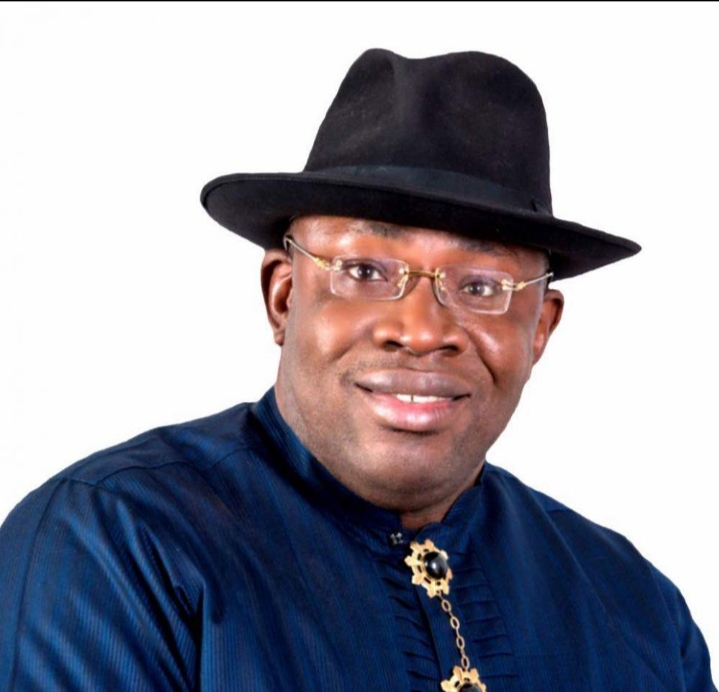
The presidential candidate of the Nigeria Democratic Congress (NDC), Peter Obi, during a recent interview with Rufai, made a bold declaration: he stated that he could die for Nigeria, but not for a political party.
While the sentiment sounds deeply patriotic on the surface, a closer look at his political trajectory and track record raises valid questions about loyalty, party structure, and long-term commitment.
Fact Check: The Reality of Structure vs. Sentiment
Peter Obi needs to understand that many people believe he did not build a strong national political structure around himself.
- The Limits of Social Media: While he was successful in mobilizing young people and leveraging social media, critics argue that he did not sufficiently engage traditional political stakeholders or strengthen party structures across the country.
- The Technocratic Disconnect: Because of this lack of grounded structure, breaking into the highest level of political influence became more difficult. Some observers also believe that his technocratic style did not always connect emotionally with voters in every part of Nigeria.
The Ripple Effects of His Political Rise
Among the criticisms often directed at him is the claim that his political ascent contributed to deeper political divisions, particularly along ethnic and religious lines.
- Unmet Expectations: The immense enthusiasm generated among young supporters created towering expectations that were ultimately difficult to meet.
- Threat to the Establishment: Traditional political elites often view him as a challenge to long-established power structures. Naturally, as with most political figures, opinions differ depending on perspective.
- The Labour Party Fallout: Nigerians also cannot forget the role he played in the Labour Party and the controversies that followed. Critics argue that the overwhelming influence of the Obidient Movement contributed to internal tensions within the party and may have actually weakened its unity.
A History of Moving On
A man who could not remain in the PDP, APGA, SDP, Labour Party, and is now in the NDC says he can die for Nigeria.
The question many will ask is: what evidence supports such a claim? Actions speak louder than words, and history remains our greatest reference point.
Some critics believe that if Nigeria’s challenges become too overwhelming, he could eventually move on politically, just as he has repeatedly moved from one political party to another. They argue that building and stabilizing enduring institutions requires long-term commitment, grit, and consistency, not jumping ship when the waters get rough.
The Verdict
For now, the electorate and political observers alike are watching with keen interest. Will the NDC be his final stop, or just another stepping stone?