





Seriake Dickson’s Push for Diaspora Mobilization Connecting the Homeland to Europe
As political parties in Nigeria fine-tune their campaign machineries ahead of the 2027 general elections, the battle for influence has officially expanded far beyond the nation’s borders.
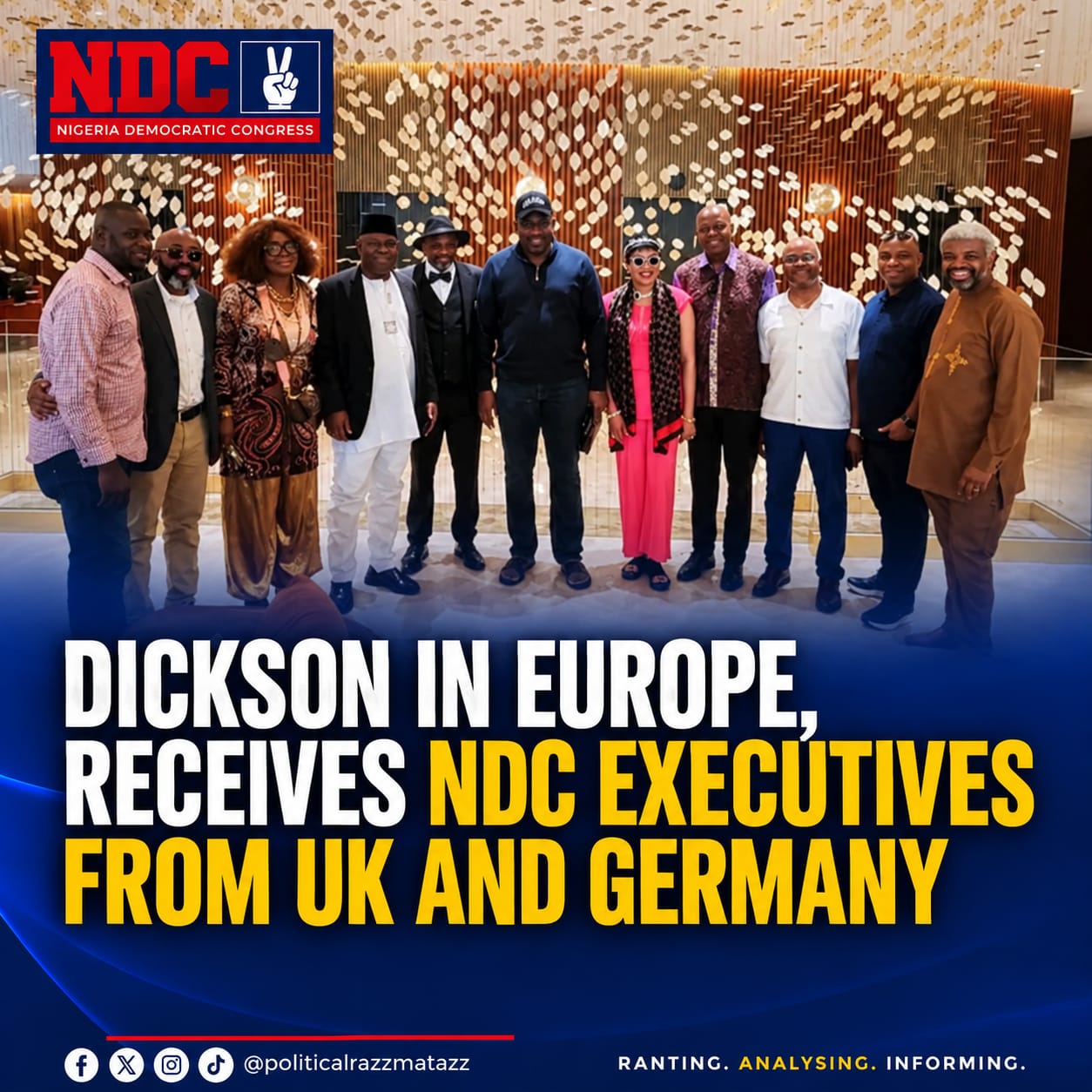
During a one-week working visit to Europe, former Bayelsa State Governor and National Leader of the Nigeria Democratic Congress (NDC), Senator Henry Seriake Dickson, hosted key diaspora executives of the party from both the United Kingdom and Germany.
As reported in Daily Post’s coverage of Dickson’s European meetings and detailed by The Sun on the NDC’s diaspora consultations, the diplomatic engagement follows nearly a year of intensive party-building and structural consolidation across Nigeria. Dickson used the forum to express gratitude to the overseas chapters for their steadfast moral and logistical support while urging them to step up efforts to energize voters at home.
No be today we know say who dey outside get heavy voice for house. While Nigerians abroad do not yet enjoy external voting rights, their direct influence on families, communities, and local election funding makes diaspora political engagement a decisive battleground for any serious national movement.
The Power of the “Phone-Call Factor”
Throughout the consultations, Dickson highlighted that the NDC is not running a nominal or sectional campaign; the party is fielding candidates across every tier of government, from the presidency down to the State Houses of Assembly.
Because diaspora Nigerians routinely send home billions of dollars in remittances to support healthcare, feeding, and school fees for loved ones, they command enormous social capital:
- Influencing the Ballot: A single phone call from a sibling in London, Frankfurt, or Munich advising family members on which candidates have genuine character carries tremendous weight at local polling booths.
- Voter Education: Many rural voters face daily disinformation; well-informed relatives in the diaspora can guide their home communities on voter registration and guarding against electoral malpractice.
- Community Mobilization: Overseas professionals have the organizational experience and network reach to help sponsor logistics, community town halls, and grassroots civic awareness back home.
Dickson urged chapter leaders in the UK and Germany not to treat their distance as a barrier. Instead, he challenged them to actively identify registered voters in their ancestral wards and sensitize them on the urgent need to demand accountable governance at the polls.
Discipline and Structure: Working with the Directorate
A recurring theme in Dickson’s leadership doctrine is institutional order. In contemporary Nigerian politics, overseas campaigns often degenerate into chaotic, self-appointed committees that clash with official party apparatuses.
Dickson advised the UK and Germany chapters to maintain close, structured coordination with the party’s Directorate of Diaspora Affairs in Abuja. He reminded them that diaspora political engagement must be organized, disciplined, and strictly aligned with the party’s constitution:
- Structured Coordination: Ensuring overseas chapters do not operate as rogue outposts, but rather as official administrative wings working directly with the National Working Committee.
- Support Without Rivalry: Aligning with Dickson’s long-standing position that support groups and diaspora chapters exist to mobilize and empower the platform, rather than competing with the party for supremacy.
- Official Participation: Dickson assured the European chapters that national leaders and flagship candidates will make concerted efforts to attend their upcoming conventions, conferences, and policy summits as their institutional structures develop.
By establishing clear communication channels between Abuja and European chapters, the NDC aims to transform emotional diaspora excitement into a disciplined electoral engine.
Preserving Nigeria’s Multiparty Democracy
Dickson’s tour also reinforced the foundational reason why the NDC was established in the first place: safeguarding multiparty competition in the face of creeping one-party dominance.
Addressing the gathering, the senator emphasized that Nigeria’s severe economic pressures, currency collapse, and security vulnerabilities require an organized, principled opposition capable of offering a genuine alternative. By building strong overseas chapters, the NDC provides a home for hundreds of thousands of reform-minded Nigerians abroad who feel alienated by establishment politics and are eager to invest their expertise into national rebirth.
Effective diaspora political engagement is not merely about raising campaign banners in European capitals; it is about building an enduring bridge of ideas, resources, and civic pressure that holds leaders at home to account.
What Do You Think?
How significant is the influence of Nigerians in the diaspora on voting choices back home? Can overseas chapters of opposition platforms like the NDC swing the momentum in the 2027 elections?
Drop your thoughts, observations, and perspectives in the comments below!