





Alignment Inside the NDC, Obi, and Kwankwaso Pact
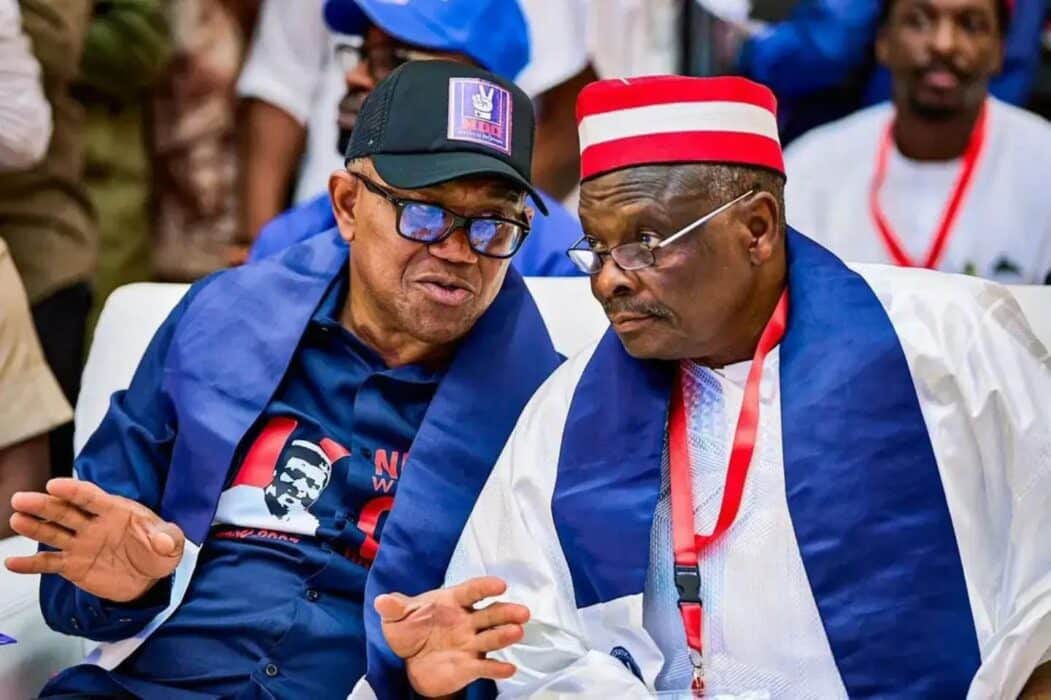
Following weeks of intensive consultations and debate over campaign structures, the Nigeria Democratic Congress (NDC) has reached an accord with its presidential flagbearer, Peter Obi, and vice-presidential running mate, Senator Rabiu Musa Kwankwaso, on the framework of its 2027 presidential campaign council.
As reported in The Punch’s report on NDC campaign appointments and corroborated by Daily Post’s coverage of the upcoming inauguration, the party has granted the presidential ticket holders direct latitude to nominate key commanders who will steer the national campaign machinery ahead of 2027.
When two captains dey steer one ship, agreement must dey before engine start. In Nigerian political history, disputes between party secretariats and presidential candidates over who controls campaign logistics have torpedoed promising tickets before the first rally even begins. By establishing a cooperative power-sharing blueprint early, the NDC is looking to avoid the administrative chaos that often plagues opposition platforms.
The Blueprint: What the Agreement Looks Like
The arrangement balances the prerogatives of the candidates with the institutional authority of the national party. Rather than imposing campaign managers from Abuja headquarters, the party leadership resolved that Obi and Kwankwaso will select the frontline officers who will drive their joint mandate.
Under the framework detailed in THISDAY’s analysis of the campaign agreement, the ticket will nominate:
- The Director-General: The administrative commander tasked with overall strategy and national coordination.
- The Deputy Director-General (North): A strategic appointment designed to galvanize grassroots mobilization across the northern geopolitical belts.
- Official Spokespersons: The public communicators responsible for driving daily media messaging and defending the campaign’s policy agenda.
- Head of New Media: Leading digital outreach, narrative framing, and youth engagement.
- Finance Leadership: Key finance officers who will oversee campaign disbursements.
Crucially, the party emphasized that campaign fundraising and resource allocation will not operate in the shadows. The appointed Finance Director and Deputy Finance Director will work directly alongside the NDC National Treasurer to manage all election accounts, ensuring that campaign contributions and expenditure reports are prepared for submission to the Independent National Electoral Commission (INEC) in strict compliance with the Electoral Act.
Quelling Parallel Tensions and Enforcing Party Order
The need for this consolidated structure became apparent following internal friction over independent advocacy groups. Barely weeks ago, controversy erupted when the “OK Movement”—an external support coalition—unilaterally constituted a 59-member campaign committee, sparking fears of a parallel authority.
The move prompted immediate pushback from the party’s National Leader, Senator Henry Seriake Dickson, and national executives, who reiterated that while support groups remain vital for grassroots mobilization, they must subordinate their operations to official party organs rather than attempting to function as a rival presidential campaign council.
By placing nomination authority directly into the hands of Obi and Kwankwaso in structured consultation with party elders, the NDC has bridged the gap between independent grassroots movements and formal party institutions. No be today we know say campaign without clear command structure na inside ditch e dey land. This consensus ensures that enthusiastic volunteer networks are channeled into a disciplined, unified command chain.
Postponement, Travel Schedules, and What Comes Next
The comprehensive blueprint of the campaign apparatus was prepared in August and submitted to both candidates for thorough review and stakeholder alignment.
While the formal inauguration was initially scheduled for the first week of September, it had to be deferred due to Obi’s packed itinerary—which included extensive consultations with national stakeholders, including their high-profile visit alongside Kwankwaso to the Sultan of Sokoto, as well as foreign working engagements.
Party officials have confirmed that the national campaign timetable is ready, while final fundraising mechanisms and bank escrow setups are being concluded. With the consultative rounds winding down, the party is awaiting the final nominations from Obi and Kwankwaso to officially inaugurate the council and unveil the names tasked with leading the opposition’s charge against the ruling All Progressives Congress (APC).
Can the Coalition Hold the Line?
Setting up a campaign council on paper is one thing; harmonizing diverse regional loyalties across all 36 states and the Federal Capital Territory is quite another.
The pairing of Peter Obi and Rabiu Kwankwaso brings together two formidable political bases with vast grassroots followings. If their joint campaign machinery can operate with administrative discipline, open transparency, and strategic coordination, the NDC will present the most formidable challenge to the status quo in modern memory.
What Do You Think?
Did the NDC make the right move by letting Peter Obi and Rabiu Kwankwaso personally pick their campaign chiefs, or should the party have kept tighter control over the structure? Can this alliance maintain its cohesion when nationwide rallies kick off?
Drop your candid perspectives, observations, and predictions in the comments below!