





Fuel at ₦1,400 and We Are Still Playing Ethnic Politics?
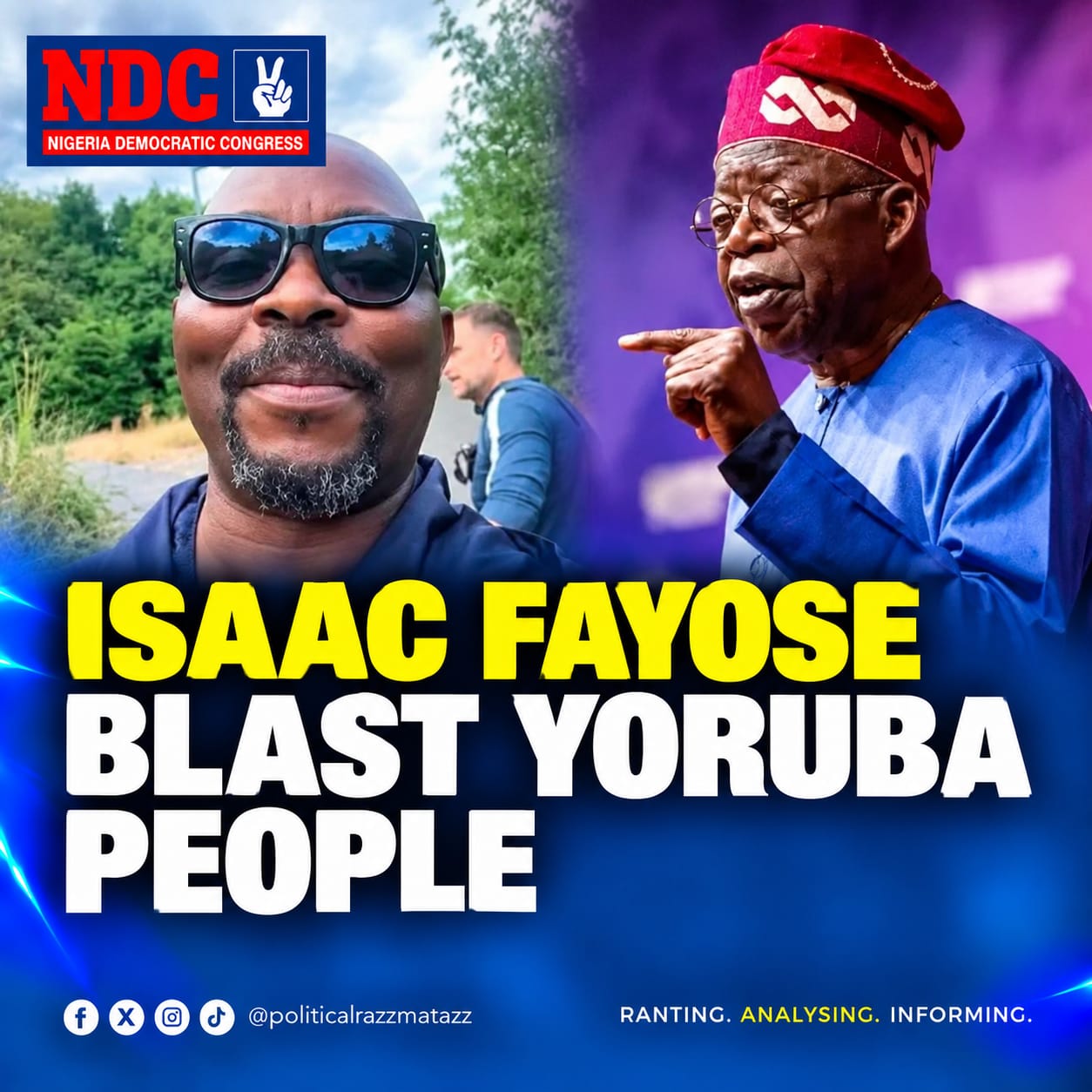
Within three short years, the price of petrol moved from under ₦200 to a staggering ₦1,400 per litre. Small businesses have shut down, daily transport fares consume half of workers’ wages, food prices have skyrocketed beyond reach, and interstate highways have become dangerous corridors for kidnappers.
Yet, the same political machinery responsible for this economic carnage is already hitting the campaign trail, smiling at rallies, and asking the very victims of these policies for another mandate.
Under normal circumstances in any functioning democracy, leaders with such a scorecard would hide their faces. But in Nigeria, politicians rely on one reliable weapon to divide the masses: the politics of ethnic entitlement.
Hunger Does Not Speak Your Mother Tongue
The most tragic part of this crisis is the spectacle of citizens defending their own suffering. When you visit a filling station anywhere in the country today, the fuel dispenser does not check your state of origin. When petrol sells at ₦1,400, fuel pump no dey ask for indigeneship certificate.
Yet, you still hear apologists shouting, “Leave am, na our son, na our turn.”
What kind of collective spell makes an adult rejoice that a president comes from their region while their family goes to bed hungry every night?
- Shey na tribal pride we go chop?
- Does the kidnapping syndicate operating on the highway verify if you share an ethnic root with the Commander-in-Chief before dragging you into the bush?
- Do market women sell garri or yams at half-price to people from the president’s ethnic group?
Suffering has no ethnic boundary. When a leader turns the economy into an open-air furnace, the heat burns everyone equally. Defending an administration that impoverishes you simply because you share a language is not loyalty—it is political self-sabotage.
The Betrayal of Public Trust
Running for public office ought to be a job interview based on performance, not an ethnic coronation. When an administration takes a country from bad to unbearable, the honest reaction should be outrage and demands for accountability. Instead, sycophants weaponize tribal solidarity to silence valid criticism.
This continuous resort to the politics of ethnic entitlement has stunted Nigeria’s political evolution. It gives failing leaders an automatic escape hatch: whenever citizens complain about hunger, the government’s propagandists reframe the anger as an ethnic attack on “their son.”
This cycle must break. A government that cannot protect its citizens from bandits, that cannot stabilize the currency, and that treats citizens’ welfare with utter contempt deserves scrutiny, not blind applause.
A Call for Upright Leadership: The Dickson and NDC Example
Nigeria cannot survive another political season dictated by ethnic chauvinism. If the nation is ever to climb out of this pit, leadership must be judged by integrity, character, and measurable competence.
This is where the contrast offered by upright statesmen like Senator Seriake Henry Dickson and the principles championed by the NDC become vital. Throughout his stewardship—both as a two-term Governor of Bayelsa State and in the Senate representing Bayelsa West—Dickson consistently demonstrated that public office is an altar of service, not a tribal jamboree.
When leaders prioritize character and institutional discipline over tribal sentiment, citizens don’t have to defend bad governance with empty slogans.
Time to Drop the Ethnic Blindfolds
If buying fuel at ₦1,400, skipping meals, and living in constant fear of insecurity cannot cure our obsession with ethnic politics, nothing will.
Politicians will always play the ethnic card when their records cannot defend them. But the voter holding an empty wallet in Ibadan, Kano, Yenagoa, or Aba must realize that suffer head no get tribe. It is time to retire blind loyalty and demand leaders whose upright character, track record, and respect for human dignity speak louder than the language they speak.